Spring cleaning usually starts with good intentions. You open the windows, change the beds, clear out the cupboards, and suddenly the whole house feels like it can breathe again.
But there’s one thing that tends to get treated like part of the furniture: the rug.
It’s understandable. Rugs sit in the centre of the room, anchoring everything. You vacuum around them, straighten the edges, maybe give them a quick pass, and it feels like that should be enough.
Therefore, a lot of spring cleans finish with a room that looks tidy… but still doesn’t feel properly fresh.
And nine times out of ten, it’s because the rug has been quietly holding onto winter.
Key takeaways
- Rugs hold months of winter dust and gritty soil, even when the surface of the rug looks “fine”.
- If a room looks clean but doesn’t feel fresh, the rug is often the missing piece.
- Vacuuming matters, but it doesn’t always shift embedded grit, odours, or dull traffic lanes.
- Over-wetting and harsh products are where rugs often get accidentally damaged.
- A professional rug deep clean is usually most worthwhile for walkway rugs, pet homes, and anything valuable or sentimental.
Why rugs get missed (and why they change the feel of a room)
Rugs are brilliant at what they do: they catch what would otherwise travel through the home. Dust. Fine grit. Mud. Bits of pollen. Every day, there is debris from shoes, pets, kids, prams, and life.
But because rugs are designed to hold onto fibres and soil, they can look “okay” on the surface while carrying a build-up underneath. Therefore, you can clean everything else and still get that slightly flat, dusty, or stale feeling in the room… especially once spring warmth and sunlight start showing up the details.
If you’ve ever cleaned a room top to bottom and then wondered why it still feels a bit heavy… it’s often the rug (or the soft furnishings) still carrying what winter left behind.
If you’re already thinking about a full home reset, this is where it’s worth including rugs alongside your carpet cleaning in Essex rather than treating them as an afterthought.
“I vacuum it all the time”… why can it still look dull?
Vacuuming absolutely helps. It lifts surface dust, hair, crumbs, and everyday fluff.
But the main problem in most rugs isn’t the visible bits… It’s the fine, gritty soil that works down into the pile and sits there. Over time, that grit acts like sandpaper. Each time someone walks across it, chair legs roll over it, or kids play on it, it rubs against the fibres.
Therefore, rugs often start to show the same patterns:
- a slightly grey or darker “walkway” area
- flattened pile in the busy spots
- marks that seem to reappear
- a low-level musty smell when the room warms up
It doesn’t mean you’ve done anything wrong. It just means the rug has been doing its job… and now it needs a reset.
A quick rug spring-clean check (two minutes, no drama)
If you want to know whether your rug needs more than a quick vacuum, here’s a calm little test you can do without turning the living room upside down.
Lift a corner and look underneath. If you see a dusty outline, grit, or dullness where the rug sits, there’s been a build-up. Run your hand firmly across the pile. If it feels rough or leaves a dusty feel on your palm, that’s usually embedded soil. Then do a quick smell check close to the fibres (not the air above it)… that’s where mild mustiness and pet odours tend to sit.
But if you’re seeing dye transfer, tide marks, or anything that looks like colour movement, it’s best to stop experimenting. Therefore, that’s the point to get proper advice, because the wrong approach can make a simple issue harder to fix.
What rug spring cleaning tends to reveal
Spring changes the way a home looks. The daylight is brighter and sharper. The heating might be lower. Windows are open more often. Everything feels better.
That’s when rugs get noticed again.
Sometimes it’s the old coffee splash you forgot about. Sometimes it’s muddy paw prints that became part of the pattern over winter. Sometimes it’s not visible at all, it’s just that the room doesn’t smell as fresh as it should, even after you’ve done the cleaning.
In pet homes, this is especially common. But lots of people try to solve it with powders and sprays, and those can leave residue behind. Therefore, the rug ends up attracting more dirt over time, and the smell returns once the fragrance fades.
A proper clean (done safely for the fibre type) is about removing what’s in the rug, not masking it.
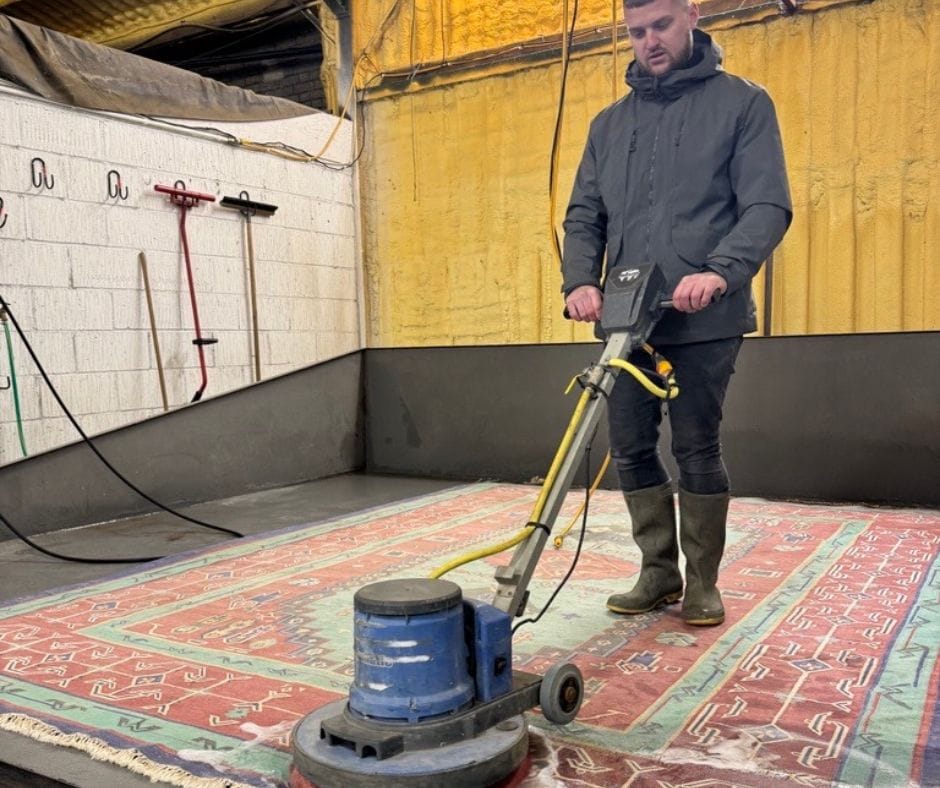
If the rug is a key piece in the room, this is exactly where a proper rug cleaning service in Essex makes a noticeable difference… not just to the rug, but to how the whole space feels.
What you can do at home (without risking the rug)
Home care has its place — as long as it stays gentle.
A slow vacuum in more than one direction is often the simplest improvement people overlook. If you can safely lift the rug, vacuuming underneath and cleaning the floor is one of those spring-clean moments that actually feels satisfying afterwards.
For fresh spills, the best rule is still the simplest: blot, don’t rub. Rubbing pushes the spill further into the fibres and can roughen the pile.
But rugs don’t respond well to “spring-clean enthusiasm” when it turns into soaking or scrubbing. Therefore, if you’re unsure what the rug is made from (wool, viscose, synthetic blend, hand-knotted, tufted), it’s safer to pause before using anything strong.
For general wool and natural fibre care, WoolSafe’s consumer rug and carpet care guidance is a good reference point.
When professional rug cleaning is the sensible choice
Professional cleaning is usually worth it when the rug:
- sits in a main walkway
- belongs to a busy family room
- has pets on it daily
- has old marks that keep catching your eye
- feels flat, dull, or slightly stale
- is valuable or sentimental (the “I’d be gutted if this got ruined” rug)
But the real benefit isn’t chasing perfection. Therefore, a good professional rug deep clean is more like a reset: removing embedded soil, lifting the overall tone, improving softness, and bringing the room back to that “fresh start” feeling you’re actually after.
And it should feel calm and straightforward, especially if you’re the sort of person who just wants it done properly without fuss.
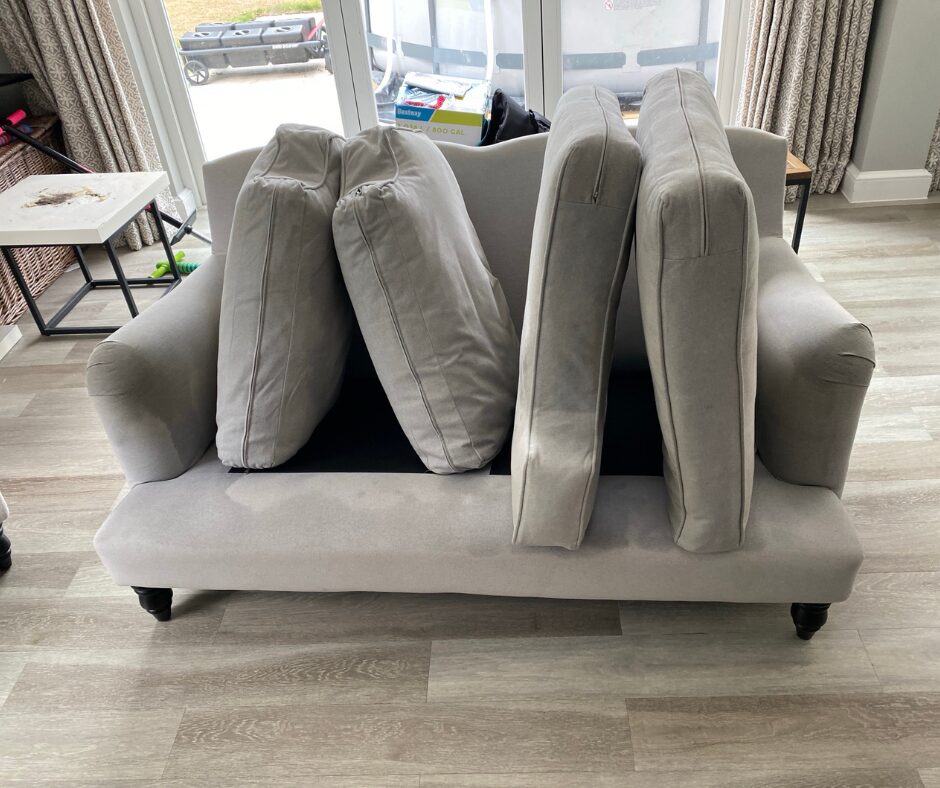
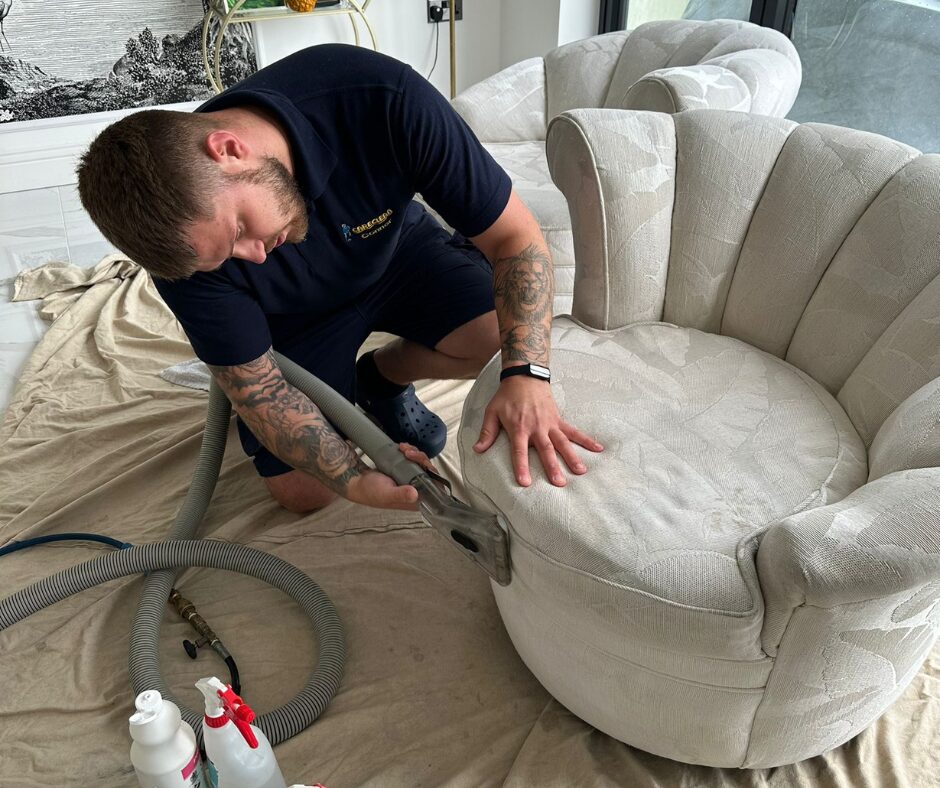
If your spring clean includes the sofa and chairs too (cushions off, crumbs discovered, the whole lot), it often makes sense to pair the rug reset with upholstery cleaning in Essex so the whole room lifts together, not just one surface.
The bit most people forget: stains, traffic lanes, and “old life”
Rugs don’t just hold dust… they hold history.
A small stain becomes a faint shadow. A shadow becomes “part of the rug”. Then spring sunlight hits it and suddenly you can’t unsee it.
But not all stains behave the same way, and repeated DIY attempts can set residue or distort fibres. Therefore, if you’ve got a mark that’s been there a while (especially anything dark, sticky, or pet-related), it’s often best to get it assessed properly rather than trying three different things in a row.
The spring-clean feeling you’re actually after
Spring cleaning isn’t just about a tidy house. It’s that calmer feeling when the room looks lighter, smells fresher, and you can properly relax in it again.
But if the rug is still carrying winter, dust, grit, stale odour, traffic lanes… the room can feel slightly “stuck” even after you’ve done everything else. Therefore, if you’re doing a spring reset, don’t forget the rug. It’s often the one change that makes the whole space feel finished.
If you need some help or just want more information contact us and we will happily help.
FAQs
How often should a rug be professionally cleaned?
For most homes, every 12–18 months is adequate, but maybe a little more frequent in high-traffic rooms or pet areas.
Is vacuuming enough for an area rug?
Vacuuming is important, but it mainly lifts surface debris. Fine dust and gritty soil can sit deeper in the pile, especially in busy areas like the hallway, for example.
Can I use a carpet cleaner on my rug, like A VAX?
Sometimes, but it depends on the rug. The main risks are over-wetting, slow drying, and problems with dyes or backing. For delicate or wool rugs, professional guidance is usually safer.
Why does my rug smell worse after a DIY clean?
Usually, because it stayed damp too long or residue was left behind in the fibres, which can cause a musty smell or attract more dirt.
What about fringes and edges?
Fringes and edges need gentle handling. Over-wetting can cause browning or distortion on some rugs, so they’re best treated carefully.
Will a professional cleaning remove every stain?
Often it improves things dramatically, but results depend on what the stain is, how long it’s been there, and the rug fibre. A good cleaner should set expectations clearly first.