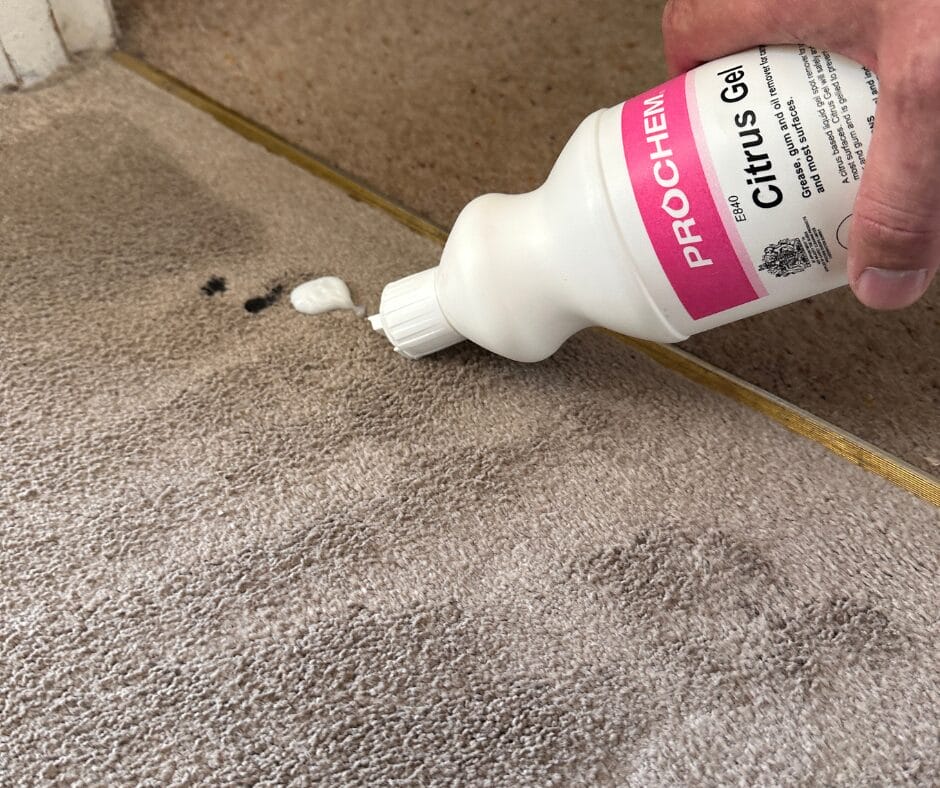
An oil stain on your carpet feels like the worst kind of spill, doesn’t it?!… It spreads, it darkens, and it rarely responds to a quick wipe the way you hope it will.
Most people do what they’d do for a drink spill… add water, scrub a bit, then reach for another product when it isn’t shifting.
See, the thing is, oil doesn’t behave like tea or squash. It clings to your carpet’s fibres, soaks down into the backing, and the wrong “fix” can leave you with a bigger patch, a pale mark, or a carpet that feels stiff in that area.
So, the safest way is a controlled way… remove what you can without spreading it, protect the fibres, and get the right help if it needs deeper treatment.
If you’re dealing with a mark right now and want a safe, fibre-aware clean (especially on light carpets), our carpet cleaning in Essex service is there for careful results rather than a quick cover-up.
Key takeaways
- Oil stains behave in a different way to most other spills… scrubbing usually spreads the mark and pushes it deeper.
- Keep it controlled: lift excess, blot gently, and avoid over-wetting.
- If the carpet is wool, light-coloured, or the stain is larger than it looks, it’s safer to pause early and get advice.
- Old oil marks and “shadows” often need a deeper professional rinse/extraction to stop them returning as they dry.
- If you want the safest outcome with the least trial-and-error, our stain removal treatment is designed for exactly this.
Why are oil stains so stubborn on carpet
Oil is designed to stay oily. It doesn’t mix with water, and it bonds to carpet fibres quickly… especially in cosy, lived-in areas where the pile is warm and slightly compressed.
Two things tend to happen fast. It spreads sideways as it’s pressed into the pile (walking over it is usually what turns a small spill into a wide patch), and it sinks downwards into the base of the carpet and sometimes the underlay, where it can remain even when the surface looks improved.
That’s also why oil marks sometimes appear to “come back” after drying. What you can see on top isn’t always the whole story.
First aid for a fresh oil spill (keep it calm and controlled)
If the spill has just happened, you can often reduce the damage a lot with simple first aid. The aim is to slow it down, lift what you can, and avoid driving it deeper.
Start by stopping the spread. Keep feet off the area, lay a clean towel over it lightly to discourage anyone stepping through it, and block it off for a few minutes if it’s on a walkway.
If there’s a visible puddle or thicker oil sitting on the surface, lift excess off the fibres with a spoon or blunt edge, then press and blot with white kitchen roll or a clean white cloth. Keep swapping to a fresh section as it absorbs. If you rub, you spread. If you scrub, you push it down.
It’s tempting to rinse an oil spill, but oil doesn’t dissolve in water. Too much liquid too soon can spread the mark and create a larger tide around it. If you’re unsure what fibre you have (wool, wool blend, synthetic), it’s safer to stop at blotting and get advice before applying anything.
What to avoid (the most common ways oil stains get worse)
When we’re called out for oil stains, the original spill is rarely the only problem. The bigger issue tends to be what happened in the next ten minutes.
Scrubbing or brushing hard can spread the oil outwards, drive it deeper into the pile and backing, and rough up the fibres so the patch looks permanently “different”.
Over-wetting can move oil into the underlay, create rings, and increase drying time… which raises the chance of odour or the stain wicking back.
Strong multi-purpose cleaners or harsh degreasers often leave residue in carpet fibres. That residue can attract fresh soil quickly, leaving a patch that looks darker again within days.
Mixing products is where we see bleaching, texture change, and stubborn rings. If you’ve already tried something and it isn’t improving, the safest move is often to stop and switch to a proper treatment plan. That’s exactly what our stain removal service is for… targeted help without trial-and-error on your carpet.
Different oils, different risk levels
Not all oil stains behave the same way.
Cooking oils (olive, vegetable, fryer splashes) can spread quickly and sometimes leave a lingering smell if they reach the backing.
Body oils and hair products often build up over time rather than appearing as one obvious “spill shape”. You might notice a dull grey/brown patch where heads rest on carpet near a sofa, or where people sit on the floor.
Mechanical oils (car oil, bike chain oil, lubricants) are usually darker and more concentrated. If this is what you’re dealing with, it’s often best to treat it as a professional job from the start.
When It’s better to stop and call Careclean
You don’t need to “try everything” before you get help. In fact, the earlier we see it, the more controlled the result tends to be.
It’s usually time to call a professional if the stain is bigger than roughly an A4 area, it’s on a wool or wool-blend carpet, it’s dark oil (motor oil / bike oil), it’s been walked through, it’s an older mark, it keeps reappearing after drying, or it’s in a high-traffic zone like a hallway, lounge route, or under dining chairs.
Even when the surface looks small, oil can travel underneath. That’s why we treat it like a deep stain, not just a mark on top.
What professional oil stain removal involves (in plain English)
Oil needs a controlled approach. It’s not a “shampoo and hope” situation… especially on wool or premium carpets where fibre safety matters.
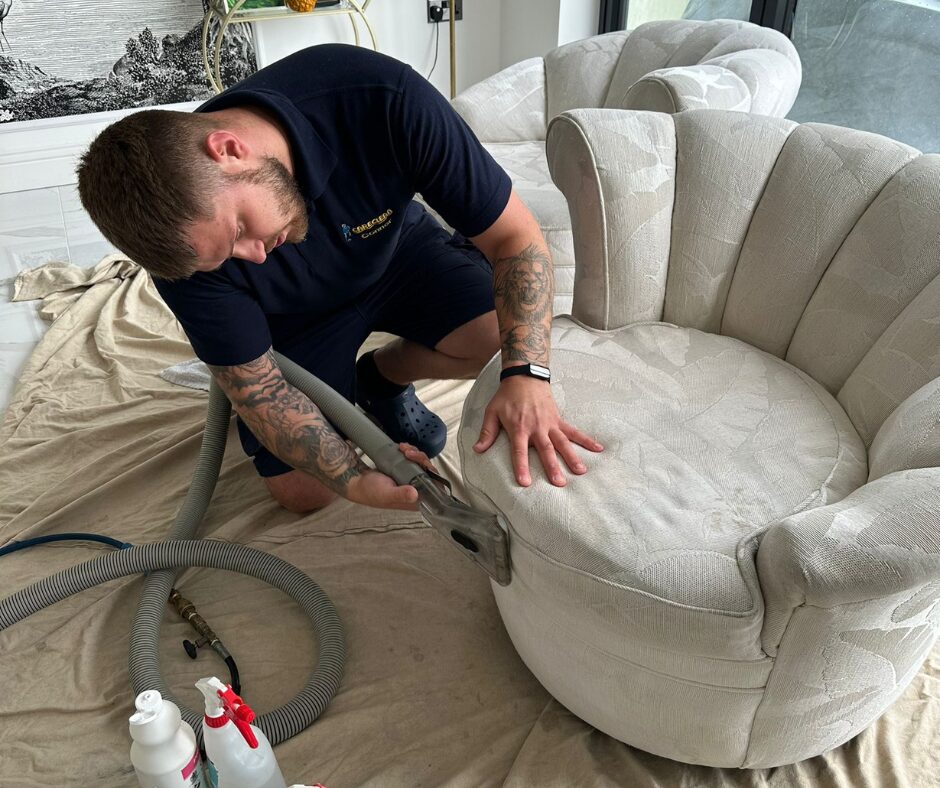
We start by identifying the carpet and assessing whether the oil is sitting on the surface or has travelled down into the base/backing. Then we use targeted treatment designed for carpets to break down the oil safely, without stripping colour or leaving residue behind.
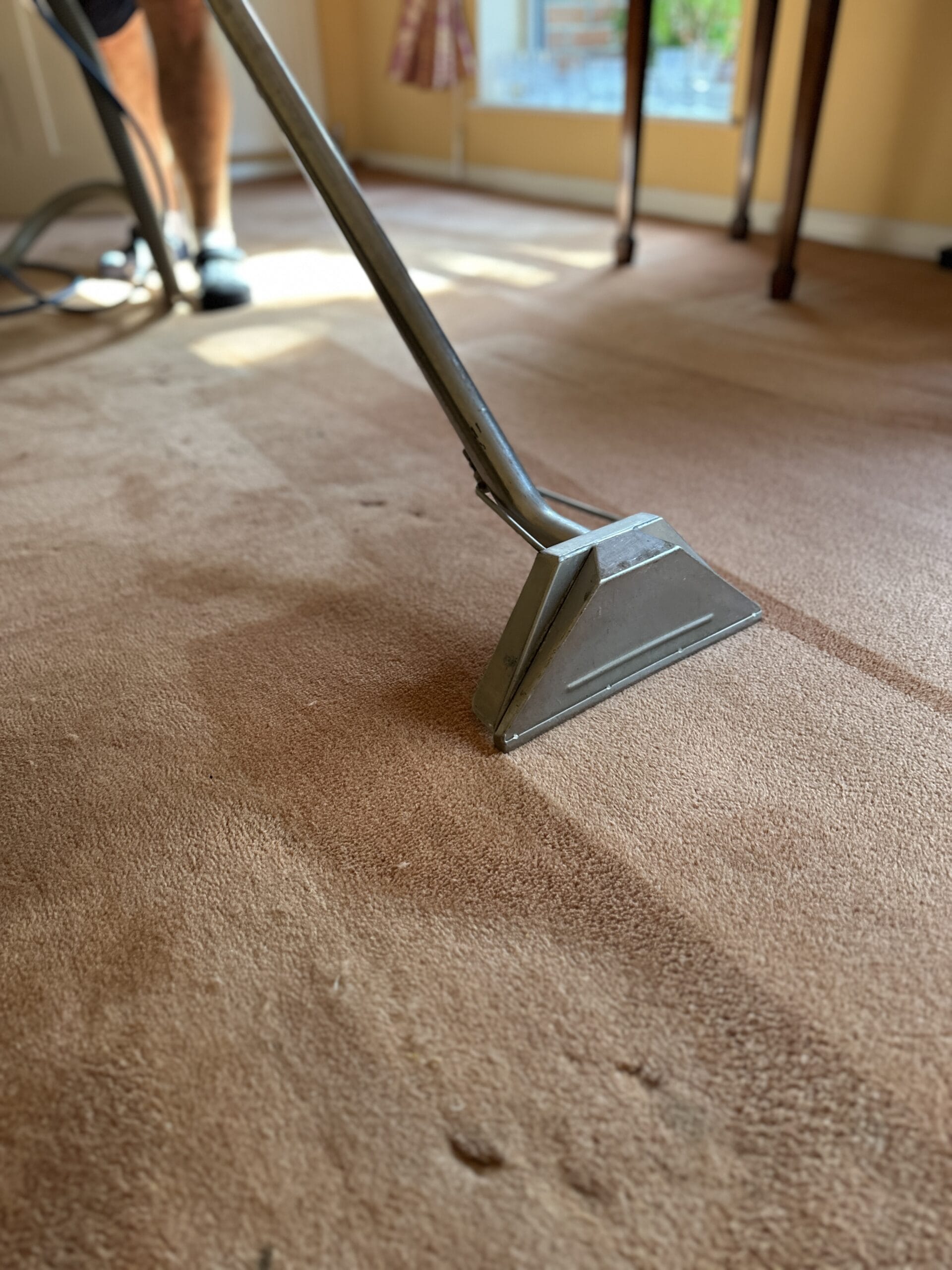
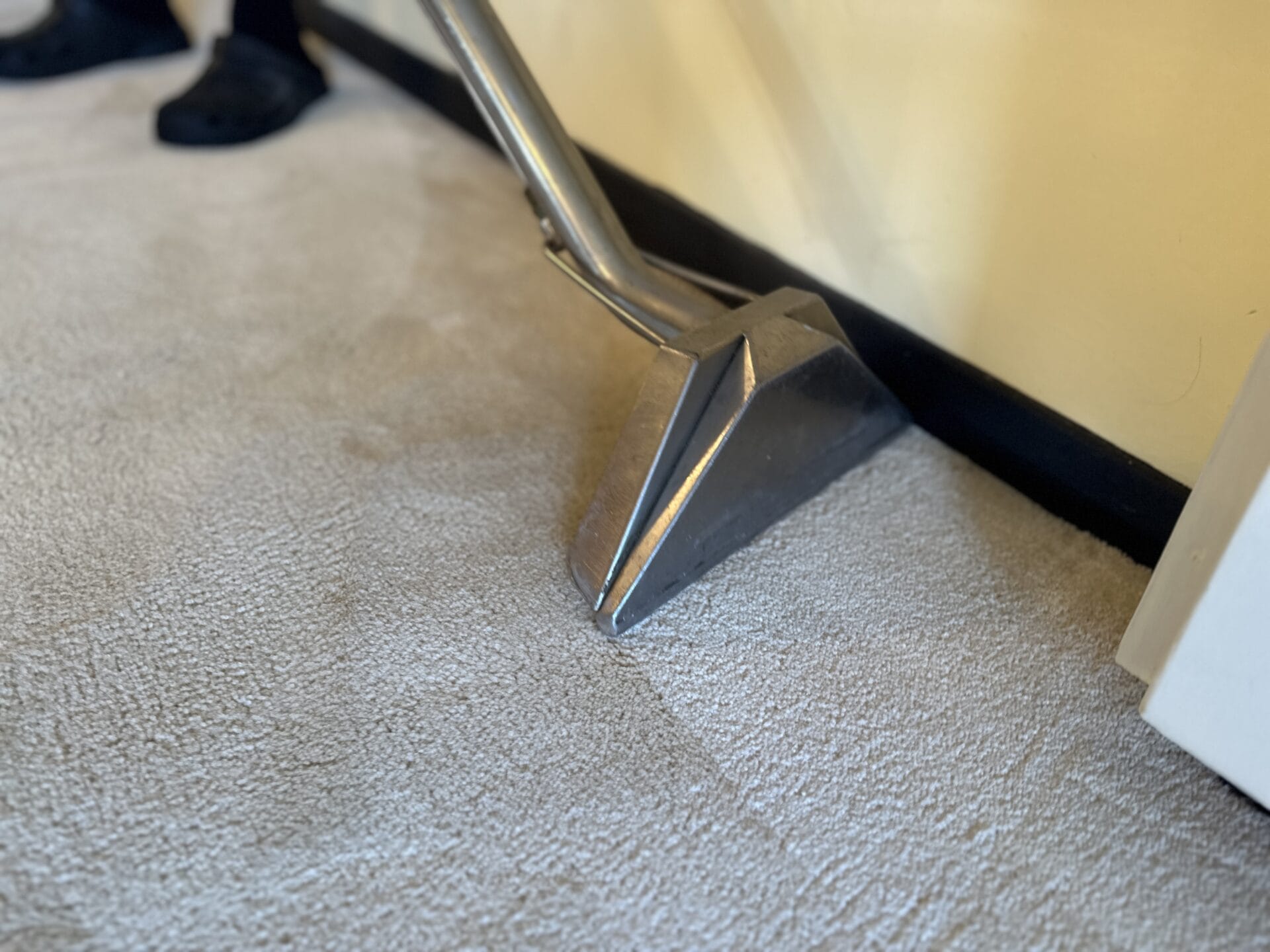
Next comes deep extraction. This is the step that makes the biggest difference, because the goal is to lift oil from depth rather than chasing it around the surface.
We finish by rinsing in a way that leaves the carpet feeling normal again… not sticky, stiff, or grabby… then give practical drying guidance to help it dry evenly and reduce the chance of wicking back.
If the spill is on a rug rather than fitted carpet, the safest route is usually dedicated rug cleaning, as rugs often have different backings and dyes that need a gentler approach.
Will an oil stain come back after cleaning?
Sometimes oil marks appear to return because of wicking… residue below the surface migrates upward as the area dries.
Professional treatment reduces that risk by lifting the oil from depth, avoiding sticky residues, and controlling moisture and drying.
If a stain is old and has been treated repeatedly at home, it can still be improved… expectations just need to be honest. We’ll always tell you what’s realistic before we start.
Oil stains on wool carpets need extra care.
Wool is beautiful and hard-wearing, and it’s also less forgiving when the wrong product or method is used.
The common risks with wool are colour change, fibre roughness from aggressive scrubbing, a stiff “patch” texture, and distortion from too much moisture. If you think the carpet is wool (or you’re unsure), treat it as a blot only, then get guidance. That small pause can save the carpet.
If the oil stain is old, what changes would it make?
Older oil stains tend to look dull or shadowy rather than glossy. They also hold onto general dirt, which is why they often darken over time. Some feel tacky if residue is present.
At that stage, surface cleaning usually won’t solve it fully. It needs a deeper approach to remove what’s sitting below the pile and what’s attracting soil back in.
Preventing oil marks in the future (without turning your home into a “protected zone”)
Oil stains often happen in the same places: under a sofa where snacks happen, next to a favourite chair, dining chair zones, near patio doors (especially after BBQs), and hallways if oil has been carried in on shoes after garage or driveway jobs.
Simple prevention that still looks nice includes a discreet runner in repeat-spill zones, a quick wipe of shoe soles after garage work, and periodic professional cleaning to lift traffic oils before they darken.
A simple Careclean way forward
If you’d like, just send us a quick photo of the stain, tell us what caused it (for example, cooking oil or motor oil), and roughly how long it’s been there. We’ll tell you honestly what’s realistic, and what the safest next step is.
FAQs
Can you get oil stains out of carpet completely?
Often, yes — especially if it’s treated early and hasn’t been heavily scrubbed or over-wet. With older stains, we can usually improve it significantly, but results depend on fibre type, age of stain, and what’s been applied previously. If you want the safest route, this is where a proper stain removal treatment helps, because it focuses on what’s sitting beneath the surface as well as what you can see on top.
Is it safe to try store-bought stain removers?
Some are fine when used exactly as directed and tested first. The risk is over-wetting, using something too strong, or leaving residue behind. If it’s wool, high value, or the stain is large, pausing early is often the safer choice.
How quickly should I act?
As soon as you can — calmly. Lifting excess and blotting straight away reduces how much can travel into the backing. If it’s a busy area and people are likely to walk through it, protecting the spot for a few minutes can make a big difference.
What if the stain is on a rug rather than fitted carpet?
Rugs can be more delicate than fitted carpets because of dyes, fringes, and different backings. If it’s a rug you care about, it’s usually best handled through dedicated rug cleaning rather than trying multiple home products.
How long does it take to dry after professional treatment?
Drying time depends on fibre type, airflow, and how much depth treatment is needed. We’ll give you a straightforward drying plan on the day, and if you’re booking a full clean alongside treatment, our carpet cleaning in Essex service includes clear aftercare so the finish stays looking good.