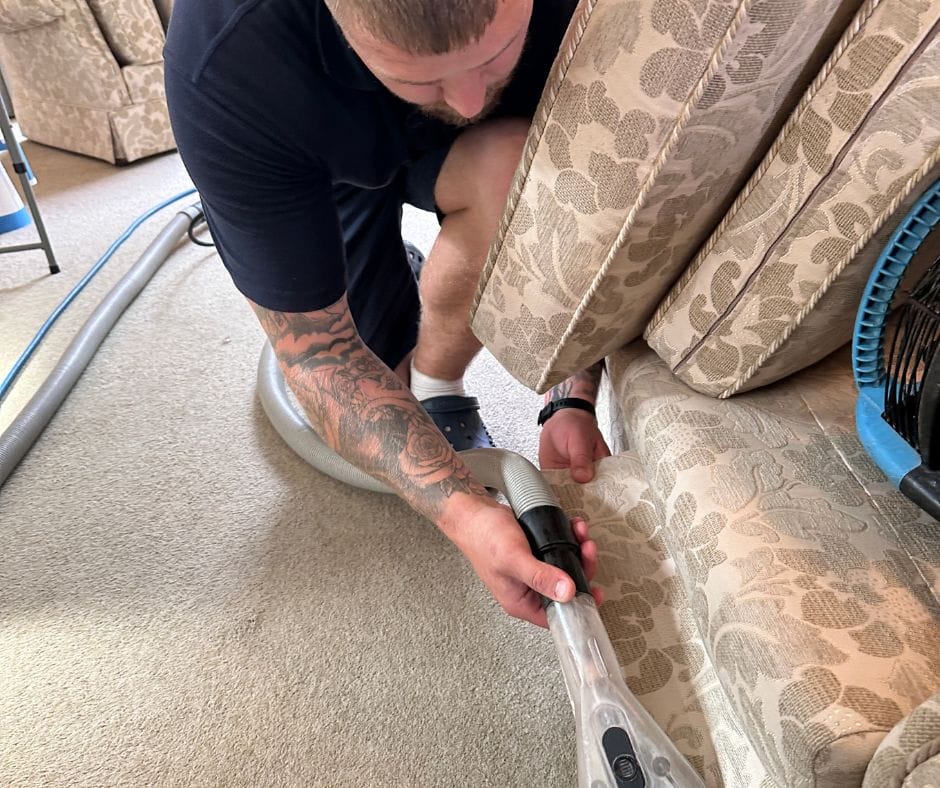
A fresh cleaned sofa feels like a reset… The room looks brighter, the fabric feels softer, and the whole space feels easier to live in.
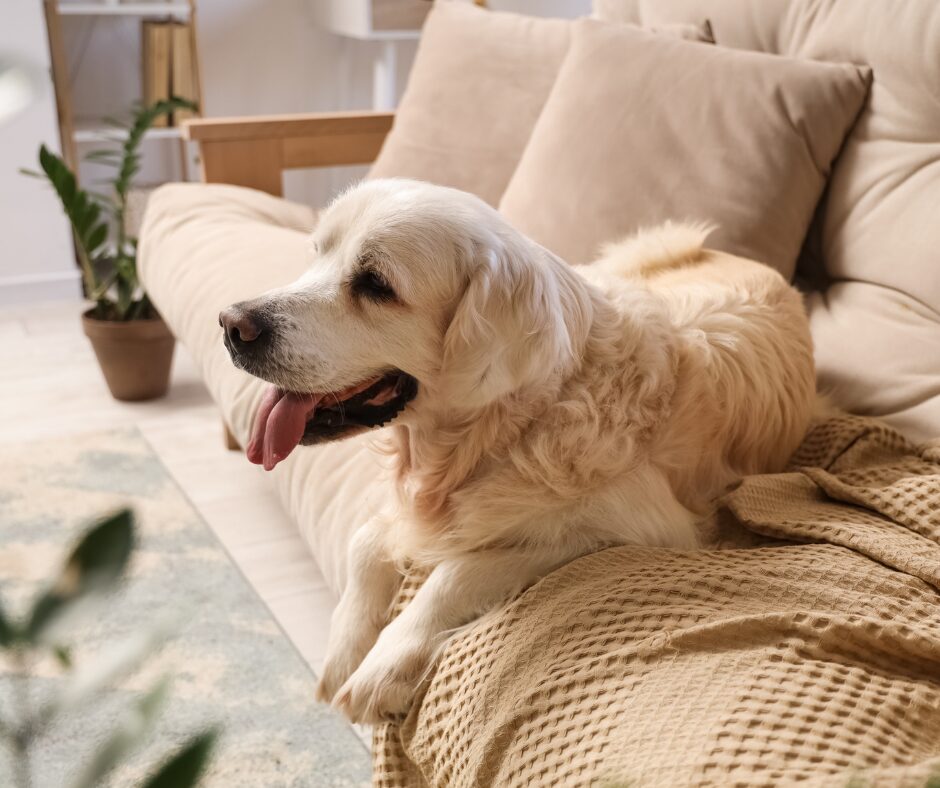
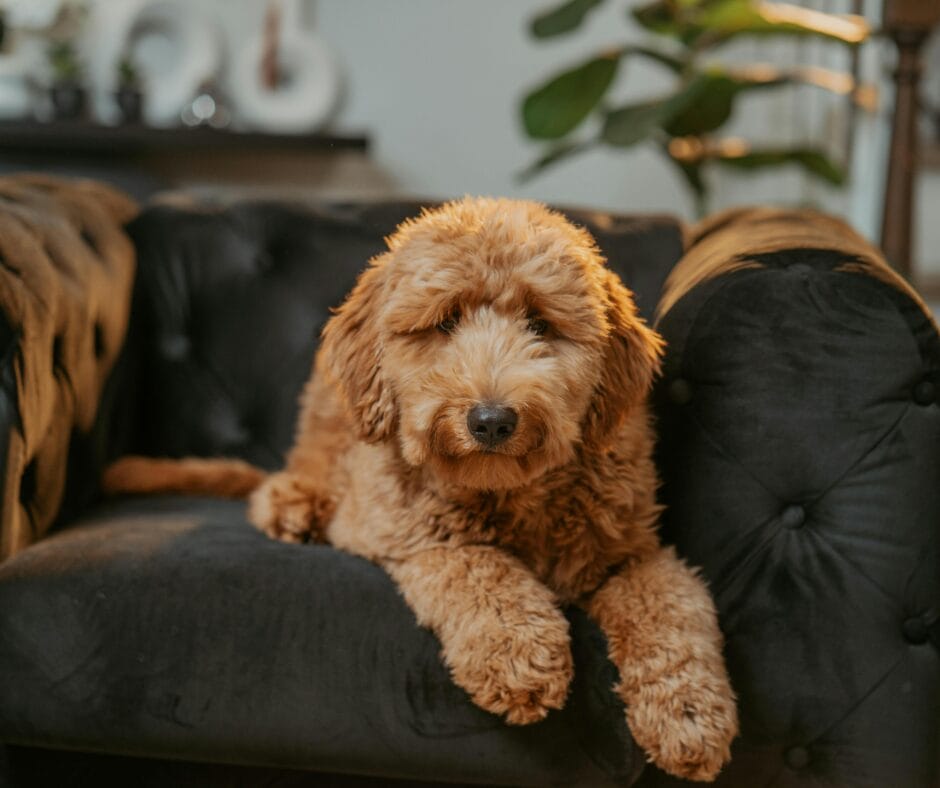
The drying stage is the part most households underestimate, especially homes with dogs and cats. A sofa can feel dry on the surface while holding moisture deeper in the cushion. During that window, upholstery fibres act like a magnet for hair, dander and everyday dust. Paws can also leave faint tracks in damp fabric, even when a pet is “clean”.
This guide explains what’s happening during drying, why keeping pets off protects the result, and the simplest ways to manage it without turning your day into a battle.
Quick Answer
Keeping your furbabies off your freshly cleaned sofa while it’s drying protects the overall finish of the clean. Damp fibres grab hair and dander more easily, paws can leave faint marks, and pressure on cushions slows drying. Wait until the seating area, seams and cushion edges feel fully dry before letting pets back on.
Key takeaways
- A sofa can feel dry on top while still damp in the cushion and seams.
- Damp fibres catch pet hair and dander quickly.
- Paws can leave subtle tracks on drying upholstery.
- Weight compresses cushions and slows drying in the favourite seat.
- Airflow is the main driver of quicker, more even drying
- Simple barriers for one day help the cleaning last longer.
Why the drying stage matters after sofa cleaning
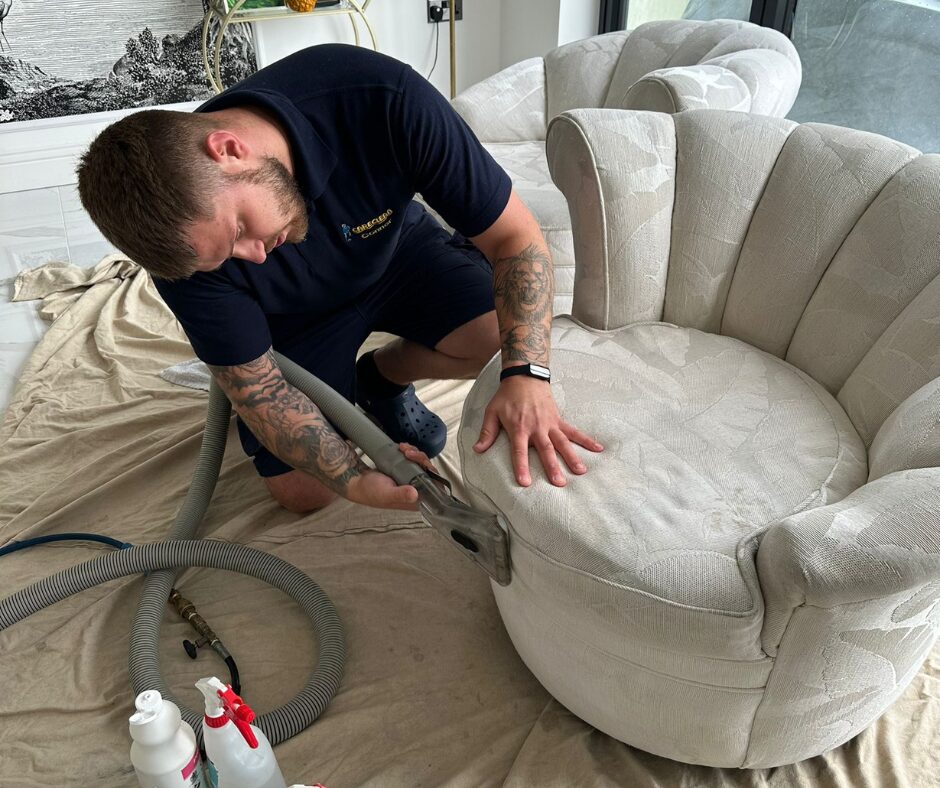
Professional upholstery cleaning lifts the dirt out of the fabric and removes residue from the fibres. After cleaning, the fabric and cushion layers release moisture back into the air over time.
Drying speed depends on:
- fabric type and weave
- cushion depth and filling
- room ventilation and airflow
- indoor humidity
- sofa position in the room (corners and tight spaces dry slower)
In pet homes, the drying window matters more because hair, dander and dust settle into damp fibres far faster than most people expect.
What can happen if pets go on the sofa before it’s fully dry
- Pet hair clings & sits deeper
Dry upholstery lets hair sit more loosely on the surface. Damp upholstery increases cling and friction, especially on those textured fabrics. Hair collects around all the seams, piping and creases, then looks “stuck in” once dry.
- Paw marks can show up later.
Even indoor pets carry fine particles on their paws: dust, grit, garden residue, litter dust. On damp upholstery, those particles press in more easily and can leave faint tracks or slightly darker patches that show once fully dry.
- Re-soiling happens faster
Moist fibres attract airborne dust and lint. Add a pet settling down, and you get extra friction and pressure in the fabric. The sofa can lose its “freshly cleaned” look sooner than it should.
- Drying slows in the main sitting zone.
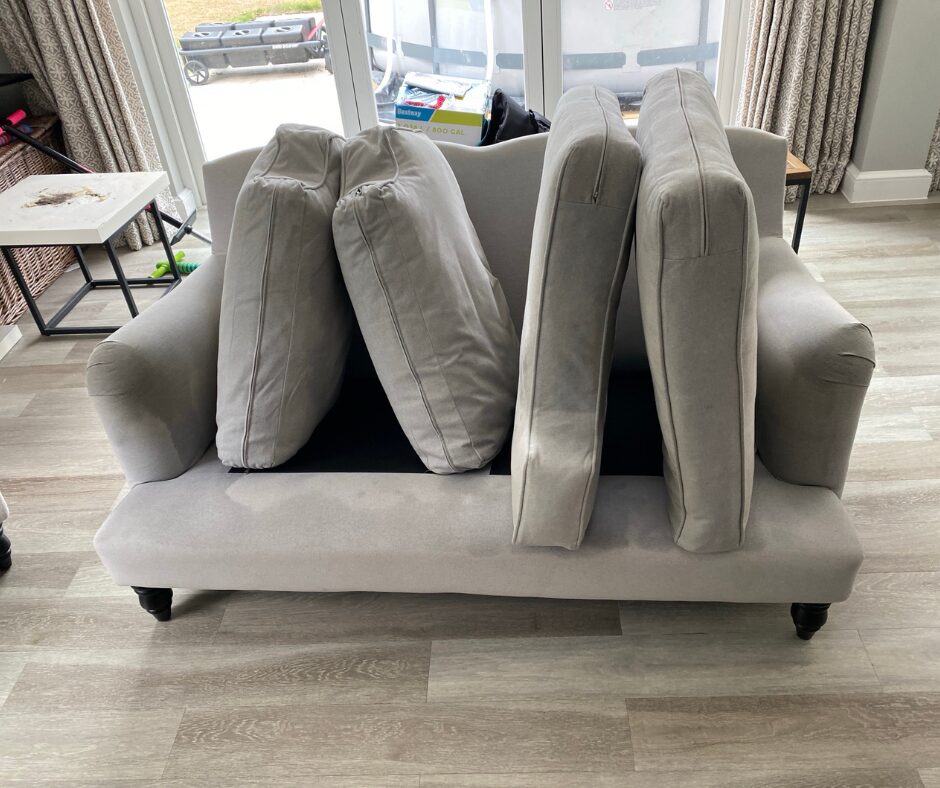
A pet’s body weight compresses the cushion and will reduce the airflow through the fabric. Their favourite seat stays cooler and damp longer than the rest of the sofa.
- Odour control is harder when moisture lingers.
A fresh clean can sometimes lift the pet odour. Even drying will help keep that improvement and make it last longer… Areas that stay damp longer can develop a slightly musty smell, especially in colder months or in rooms with limited airflow.
How long should pets stay off the sofa?
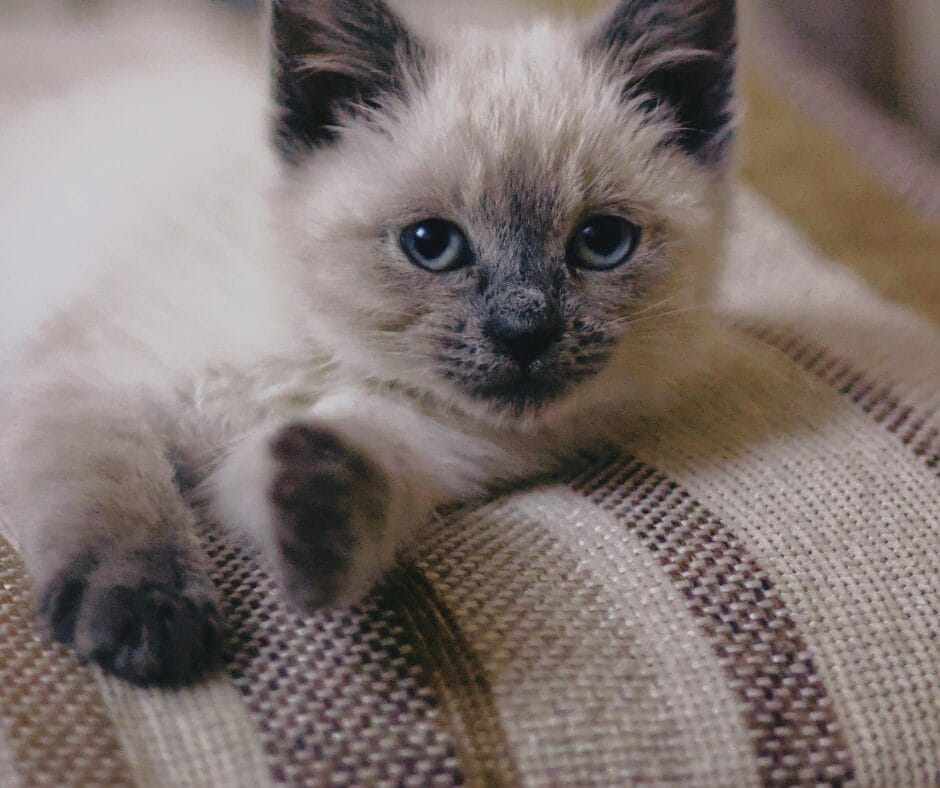
Use this simple rule… furbabies stay off until the sofa, until it’s completely dry.
Some simple things to check that will help:
- main seating area (press gently with a dry hand)
- seams and piping
- cushion edges and corners
- back cushions where pets lean
Signs your sofa needs a little more time:
- It feels cool compared to the rest of the room.
- The seams of the sofa feel slightly damp… even a slight dampness will make a difference!!
- The cushion has a damp “give”
- There’s a damp smell close to creases.
A practical household approach ideally is to keep pets off for the rest of the day after cleaning, then return to normal use the next morning once everything feels fully dry… I know this is easier said than done cause I have a furbaby myself… but even keeping them off it till late evening would be better than allowing them to make it all dirty again straight away!
Faster drying tips that stay sensible
You do not need extreme heat or aggressive methods. Drying is mostly about steady airflow.
Improve airflow
- open internal doors… after all, you are trying to keep your furbabies off it, so only where possible!
- crack a window if the weather allows… we don’t want you to freeze, but even opening a small amount will help!
- Avoid closing the room up with still air… which just means a window slightly open would help a lot.
Use a fan
Aim it across the sofa so air moves over the whole surface, not directly into one small area… Use the rotating mechanism on your fan… this will make sure the whole sofa is getting it.
Keep the room gently warm.
A steady moderate temperature supports drying. Avoid placing heaters close to the fabric.
Consider a dehumidifier in damp homes.
If the room often feels clammy in winter, lowering humidity helps moisture leave soft furnishings more efficiently.
Can you put a throw over it so the dog can sit there?
Covering a damp sofa can trap moisture, especially with thick throws or fleece blankets. Trapped moisture slows drying and can leave the fabric looking flat.
If you need a short-term option later in the day:
- Use a lightweight, breathable cotton sheet.
- lay it loosely over the seat
- remove it again once the pet moves
For best results, wait until the sofa is fully dry before adding throws back on.
Easy ways to keep pets off without upsetting the house
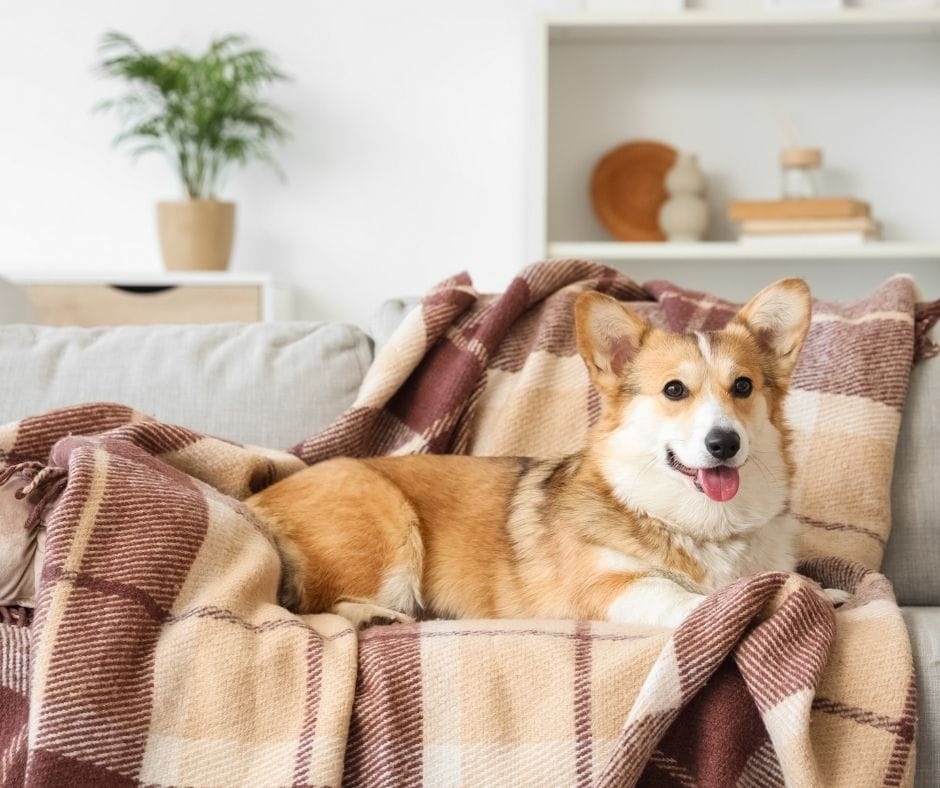
- Set up a “new favourite spot”
Move their bed into the lounge and add something familiar from their usual sleeping area. A chew or enrichment toy helps them settle.
- Use barriers to stop them…
Dining chairs along the sofa edge, a baby gate, or a closed door for a few hours stops repeated jumping up.
- Keep routines normal
Normal feeding & walking times reduce restlessness and can sometimes stop them from being sad for not being allowed on the sofa till it’s dry… again, I know this is a hard one! My furbabies’ bed is my sofa, so it’s a VERY hard task!
Aftercare habits that keep a pet sofa cleaner for longer
- Vacuum little & often, focusing on seat creases and cushion edges. This is often forgotten by us all!
- Use a washable throw once the sofa is fully dry… I cover all my sofa… cleaning that every week is better than me having to get my sofa cleaned more often!
- Wipe paws after garden time.
- Keep nails trimmed to reduce snagging.
- Deal with accidents quickly by blotting, not scrubbing, and avoiding over-wetting
Pairing these simple habits with regular cushion rotation and prompt spot treatments can help keep your upholstery in good condition between professional cleans and keep your furniture looking fresh for longer.
Quick checklist for the day of your sofa clean
- Keep pets off until the sofa is dry in seams and seat centres.
- Open doors and allow airflow.
- Use a fan for gentle air movement.
- Keep the room consistently warm.
- Avoid thick throws until fully dry.
- Vacuum once fully dry to lift loose hair
FAQs
My sofa feels dry on top. Is it safe for pets yet?
Surface dryness is only part of it. Check seams, cushion edges and the main sitting area with a gentle press. If any area feels cool or damp, give it more time.
Will one quick jump really matter?
It can. Damp fibres catch hair, and paws can leave faint marks, especially in the same favourite spot.
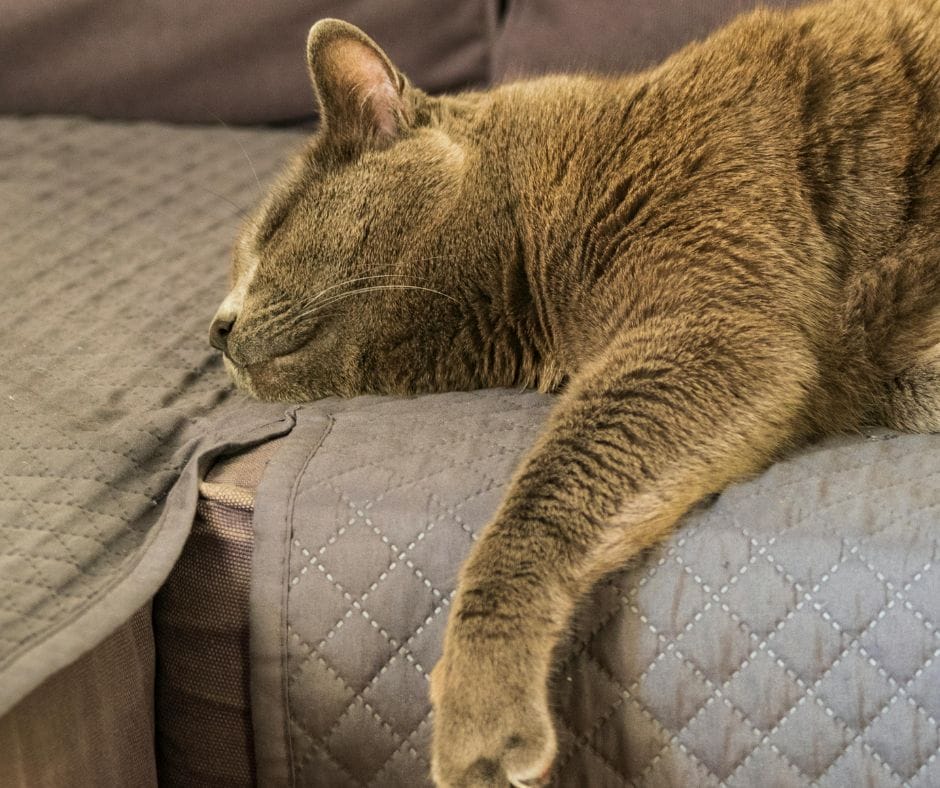
What if my cat always sleeps on the back cushions?
Back cushions can hold onto that moisture a lot longer than expected… Set a warm alternative at a similar height and temporarily block access.
Can I speed up drying with a hairdryer?
Heat like that in one area is not really great for your upholstery. We tend to recommend that gentle airflow and steady room conditions are far safer and less likely to cause any damage.
Final tip for pet homes
If you live with pets, the drying window is the part that protects the finish. Keep them off until the seams, cushion edges, and the main sitting area feel properly dry, then carry on as normal.
If you want a more exact guide, tell us what fabric your sofa is and where your pet tends to sit (seats or back cushions). We’ll tell you what drying time to expect in your room, plus the easiest way to manage it on the day.