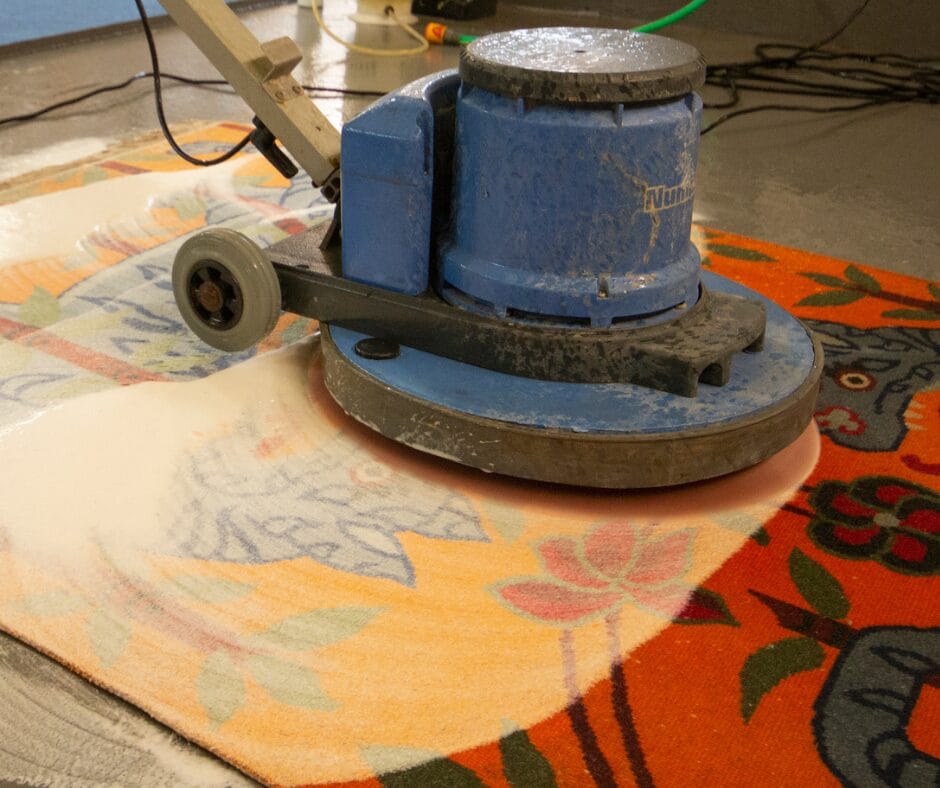
Most people judge a rug by the surface. If it looks tidy, feels soft underfoot, and doesn’t smell the moment you walk in, it’s easy to assume it’s clean.
But what’s trapped in rug fibres is often a different story. Rugs are designed to hold on to things… dust, grit, oils and tiny particles from everyday life.
Therefore, a rug can look “fine” on top while quietly storing the stuff that makes it feel flat, smell tired, or trigger allergies over time.
If you’re reading this as part of your research, you might also like the rest of our Knowledge Centre.
Key takeaways
- What’s trapped in rug fibres is often deeper than vacuuming can reach.
- Fine grit at the base of the pile is one of the biggest causes of dullness because it wears fibres like sandpaper.
- Odours usually come from oils, residue and moisture held inside the rug — not just what’s on the surface.
- Rugs can hold allergen particles, especially in busy rooms and pet homes.
- Spot cleaning can remove the mark but leave residue behind, which attracts dirt and makes areas re-soil faster.
- Fibre-safe deep cleaning focuses on controlled methods and thorough drying so the rug is fresh without being stressed or over-wet.
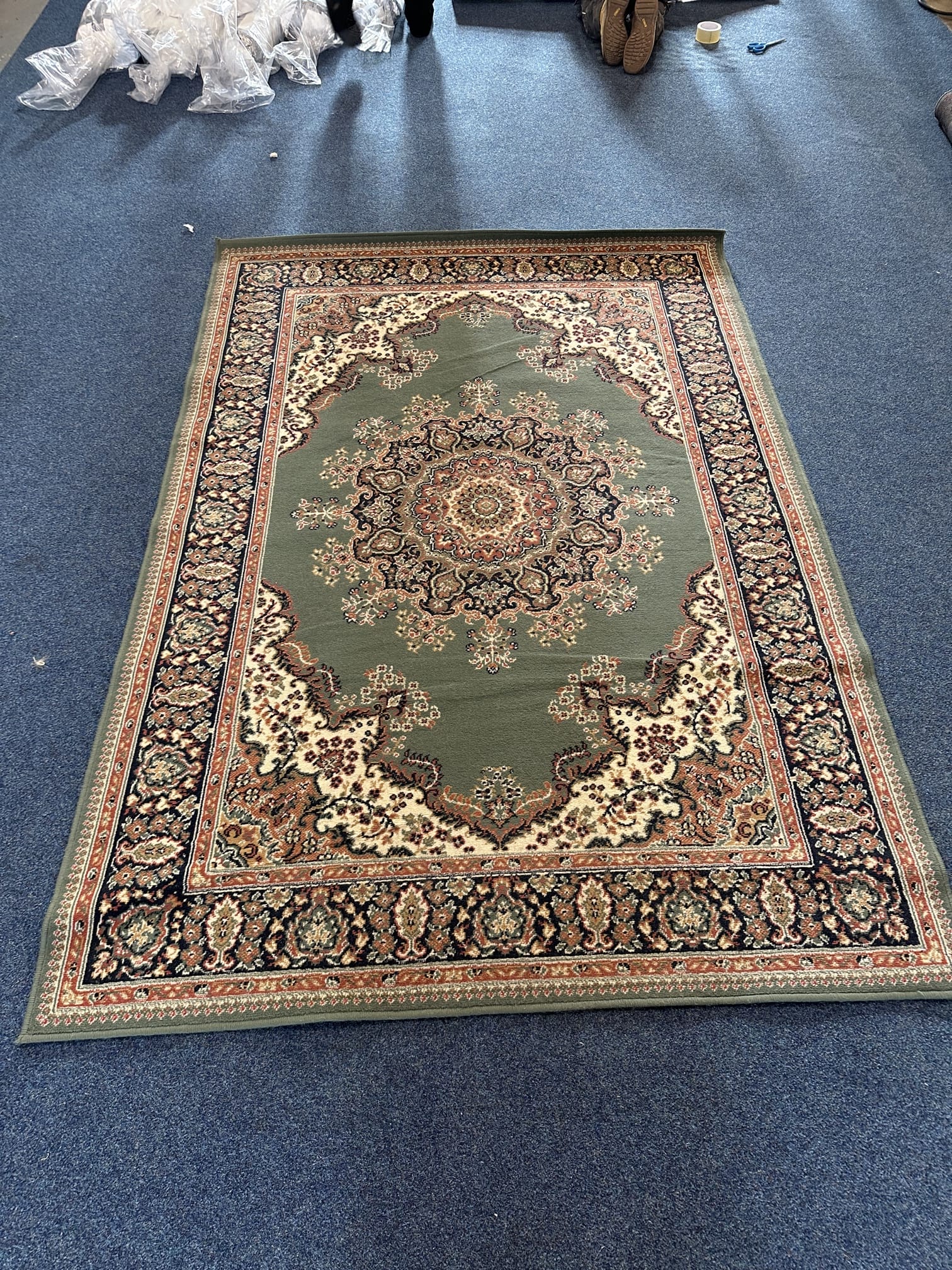
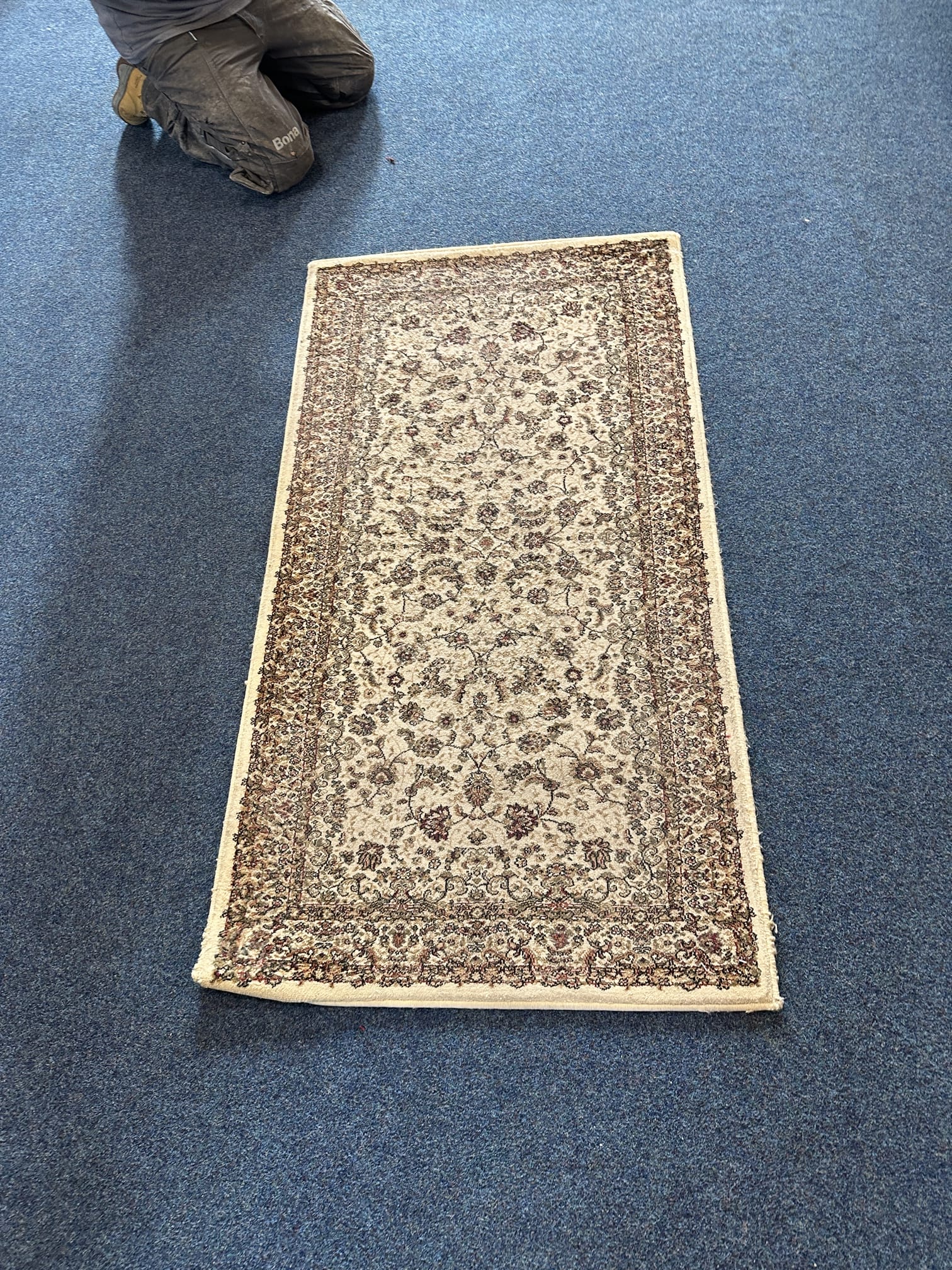
What’s trapped in rug fibres (even when your rug looks clean)
A rug is a bit like a hedge: you can trim the top, and it looks neat… but the density inside is where everything collects.
On the surface, you’ll usually see:
- Loose dust
- Hair or fluff
- The odd crumb (especially near sofas)
- The “path” where people walk most
Deeper in the fibres and backing, many rugs store:
- Fine grit and tracked-in soil (the abrasive stuff)
- Skin flakes (normal, but it builds)
- Pollen and outdoor particles
- Pet dander and the oils that cling to fibres
- Old food residue you can’t see anymore
- Moisture pockets from quick clean-ups
- Odour compounds that reappear when the room warms up
But here’s the part most people miss: the most damaging dirt isn’t always the visible dirt.
Therefore, rugs can slowly look flatter and more tired even when they “don’t look dirty”.
That’s because gritty soil acts like sandpaper. Every step presses it deeper, and every movement rubs fibres against it. Over time, that’s what makes a rug lose that lifted, soft look.
Surface clean vs fibre clean: why vacuuming doesn’t reach everything
Vacuuming matters. It’s the first line of defence for keeping a rug looking good week to week.
But most household vacuuming only removes what’s loose and reachable.
Therefore, heavier particles and sticky residues can stay put… especially in thicker pile rugs, tufted rugs, shag styles, and the areas that get walked on daily.
If your rug sits in a busy area, it’s worth thinking beyond surface-only care. Our rug cleaning service page explains what a deeper, fibre-safe clean looks like.
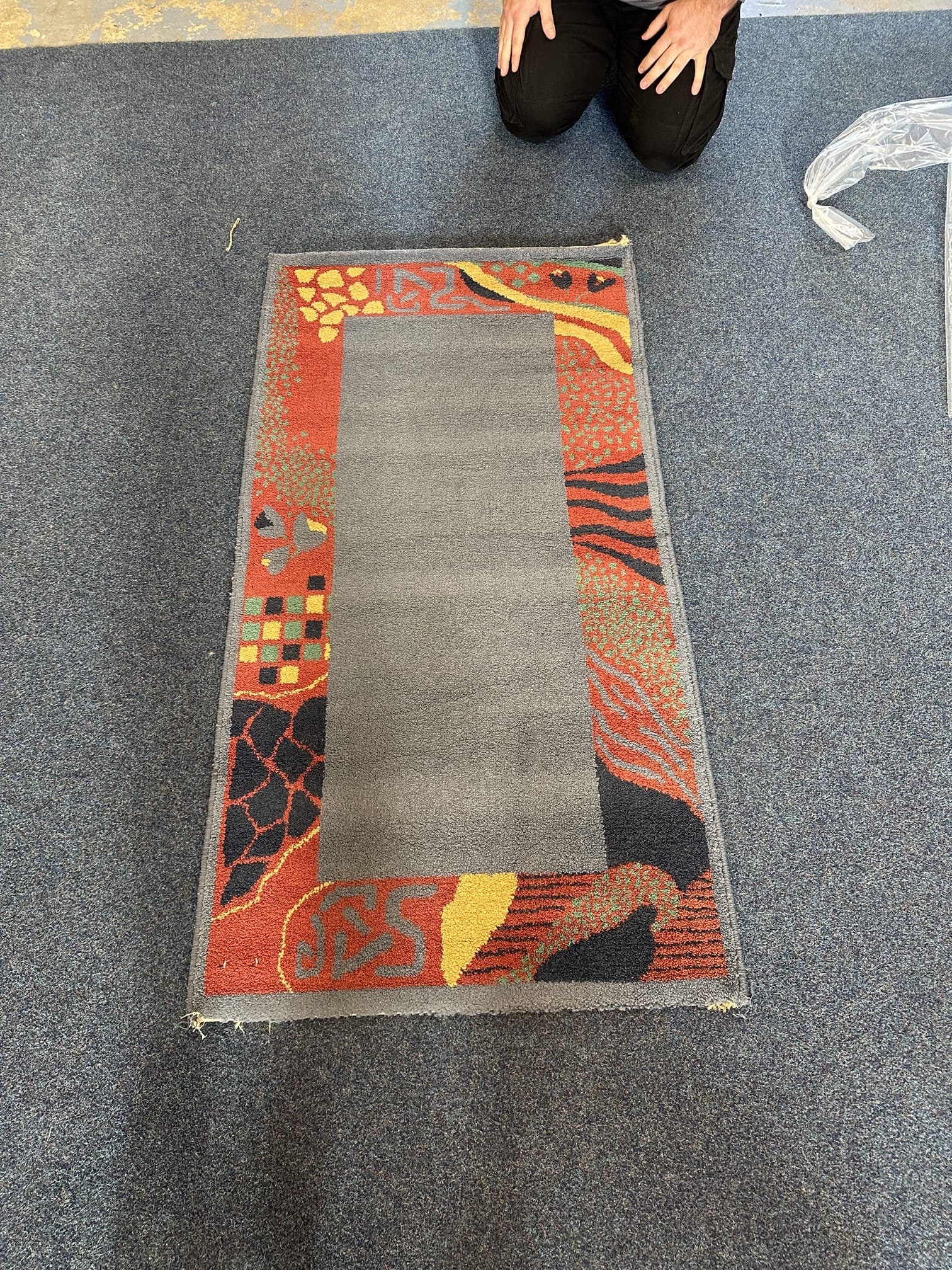
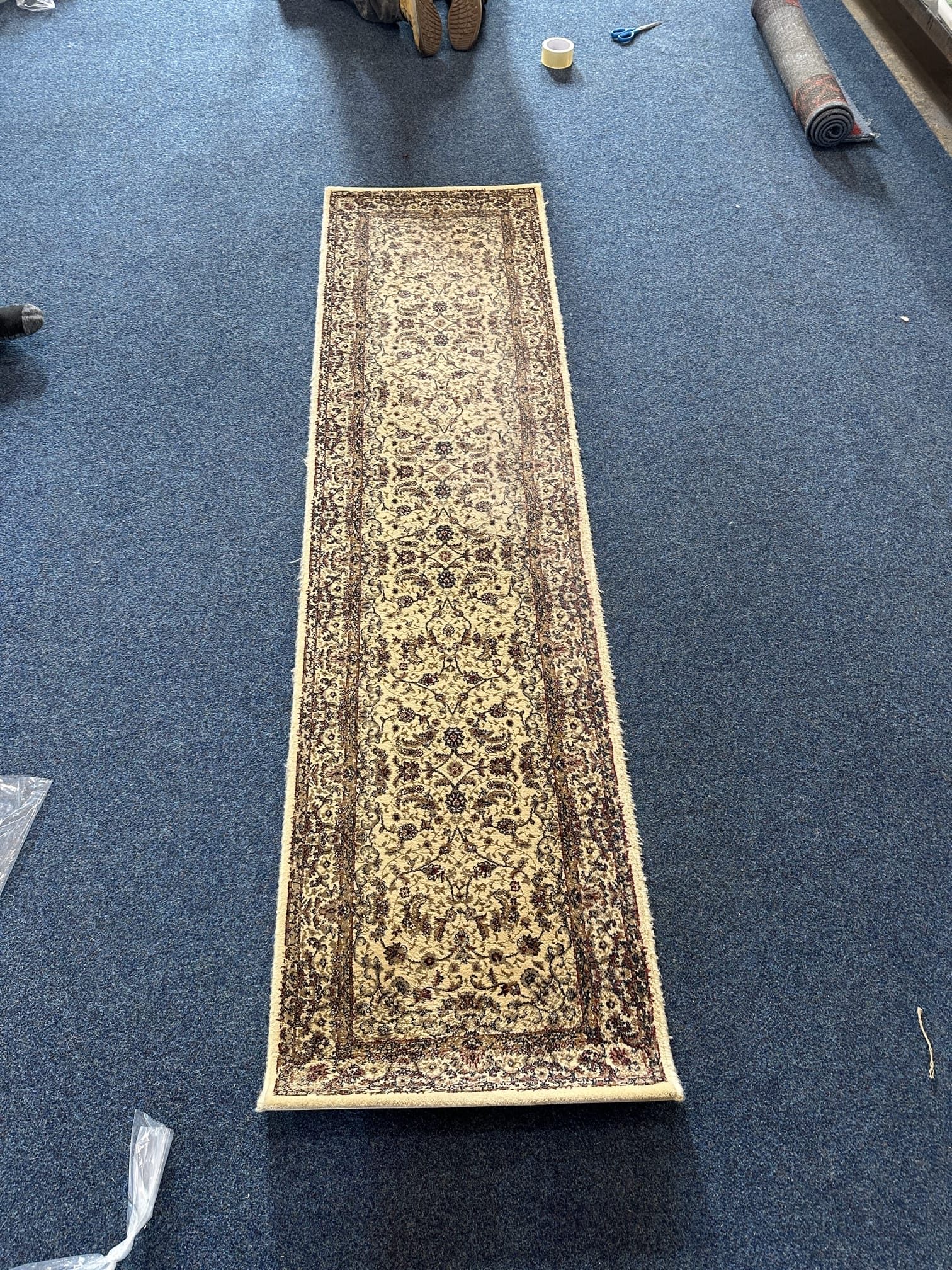
What’s trapped in rug fibres that causes smells
Smell is usually the first sign something’s building up… not always strong, just persistent.
You might notice:
- “It’s fine until the heating’s on.”
- “After rain, it feels musty.”
- “The dog’s been on it, and it holds that smell.”
- “It smells a bit warm… even though it looks clean.”
But odour usually isn’t just ‘in the air’… It’s bonded to what’s in the fibres.
Therefore, masking sprays may cover it briefly, but they don’t remove the source.
In some cases, a rug needs something more specialist than a standard clean… for example, targeted treatment for stubborn contamination or odour sources. If that’s you, here’s the external page we refer people to for an example of advanced options: Specialist Treatment.
What’s trapped in rug fibres that can affect allergies
If someone in the home is sneezy, wheezy, or constantly rubbing their eyes, it’s natural to blame “dust” in general.
But rugs can act like a reservoir for fine particles… especially in busy family rooms.
Therefore, even if you clean surfaces weekly, the room can still feel dusty or stale.
If you’re unsure what your rug is made from (or whether it needs delicate handling), it’s often worth asking first rather than guessing, especially for wool, hand-finished edges, or older pieces.
Surface clean vs fibre clean: why some rugs re-soil after spot cleaning
Spills and marks usually trigger action. A quick response can be helpful.
But spot cleaning can sometimes remove the visible mark while leaving residue deeper in the pile.
Therefore, the area can later feel stiff, look slightly darker, or seem to get dirtier faster than the rest.
That “gets dirty faster” effect is often residue-related: residue holds soil, soil dulls fibres, and it becomes a repeating cycle.
What to look for in a professional rug cleaning that is fibre-safe
The difference isn’t magic… no, it’s actually control.
But rugs don’t cope well with guesswork… especially wool, delicate weaves, fringes, dyes, and older pieces.
Therefore, professional rug cleaning focuses on fibre safety, controlled moisture, proper rinsing/extraction, and thorough drying.
A proper approach typically includes:
- Identifying fibres and checking colour stability
- Removing embedded dry soil (not just surface dust)
- Using a rug-safe process suited to the material
- Proper rinse/extraction so residues don’t stay behind
- Controlled drying so the rug is left fresh, not damp
You might still be wondering whether professional rug cleaning is worth it for your rug.
If you want reassurance before you book, you can read what our clients say about us.
If you’re comparing providers… check these three things.
If you’re trying to weigh up your options, we always suggest comparing like-for-like:
- Do they assess your rug first? Fibre type, dyes, backing, fringes & condition do matter when your rug needs cleaning.
- What’s the drying plan? If they dry your rug slowly, it can lead to lingering odours & stress on the rug.
- What happens if something isn’t straightforward? A good professional will explain all your options and take responsibility if something isn’t right.
FAQs
How often should your rug be professionally cleaned?
It depends on footfall, pets, and where it sits. Busy areas usually benefit from periodic deep cleaning so grit and odours don’t quietly build up.
Why does my rug smell even though it looks clean?
Because smell often comes from what’s trapped in rug fibres: oils, residue and trapped moisture… not just visible dirt.
Is it safe to deep clean wool rugs?
Yes, when the method is fibre-safe and controlled. Wool needs the right approach and thorough drying to protect fibres and dyes.
Will deep cleaning help with pet odours?
Often, yes… when the source is removed from the fibres and backing (not masked).
Next step
If your rug looks “fine” but doesn’t feel fresh… or you’re noticing odours, dullness, or that dusty-room feeling… it usually means the fibres are storing more than the surface shows.
If you’d like, you can contact us here with:
- the rug size,
- the rug material (if you know it),
- and the main concern (smell, pet traffic, dullness, marks),
…and we’ll point you towards the safest option.
You can also return to the Careclean Essex homepage if you want to browse services first.