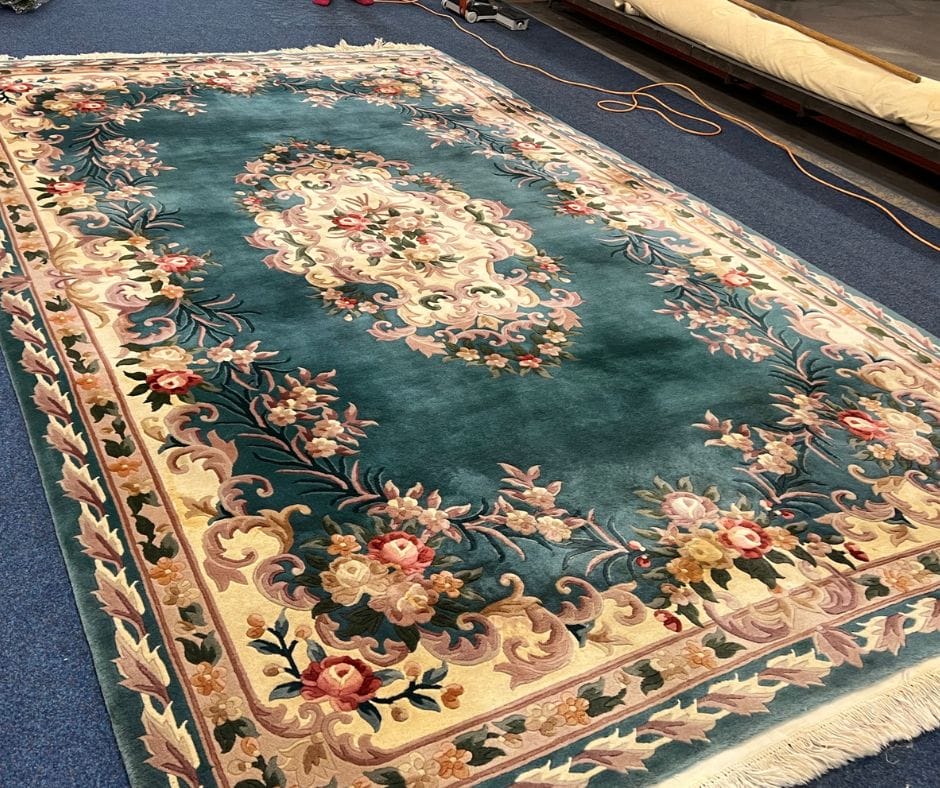
If you’ve booked a professional rug clean and been told it could take a couple of weeks (sometimes longer), it can feel a bit surprising, especially if you were expecting a quick turnaround.
The simple reason rug cleaning takes longer than people expect is that a proper clean is not just “wash and dry”. It’s inspection, fibre testing, deep soil removal, careful washing, controlled drying, finishing, and final checks, plus safe collection and return scheduling.
The aim is not speed, it’s protecting your rug while getting a genuinely deeper result.
Key takeaways
- Most of the “time” is quality control, drying, and finishing, not just the wash.
- Rugs hold far more dry soil than people realise, and that has to come out first.
- Some fibres (wool, viscose, natural dyes) need slower, safer handling to avoid damage.
- Controlled drying matters, because damp rugs risk odours, shrinkage, colour bleed, or mould.
- Collection and delivery are part of the timeline, especially in busy weeks.
Why rugs are different to carpets (and why that affects turnaround)
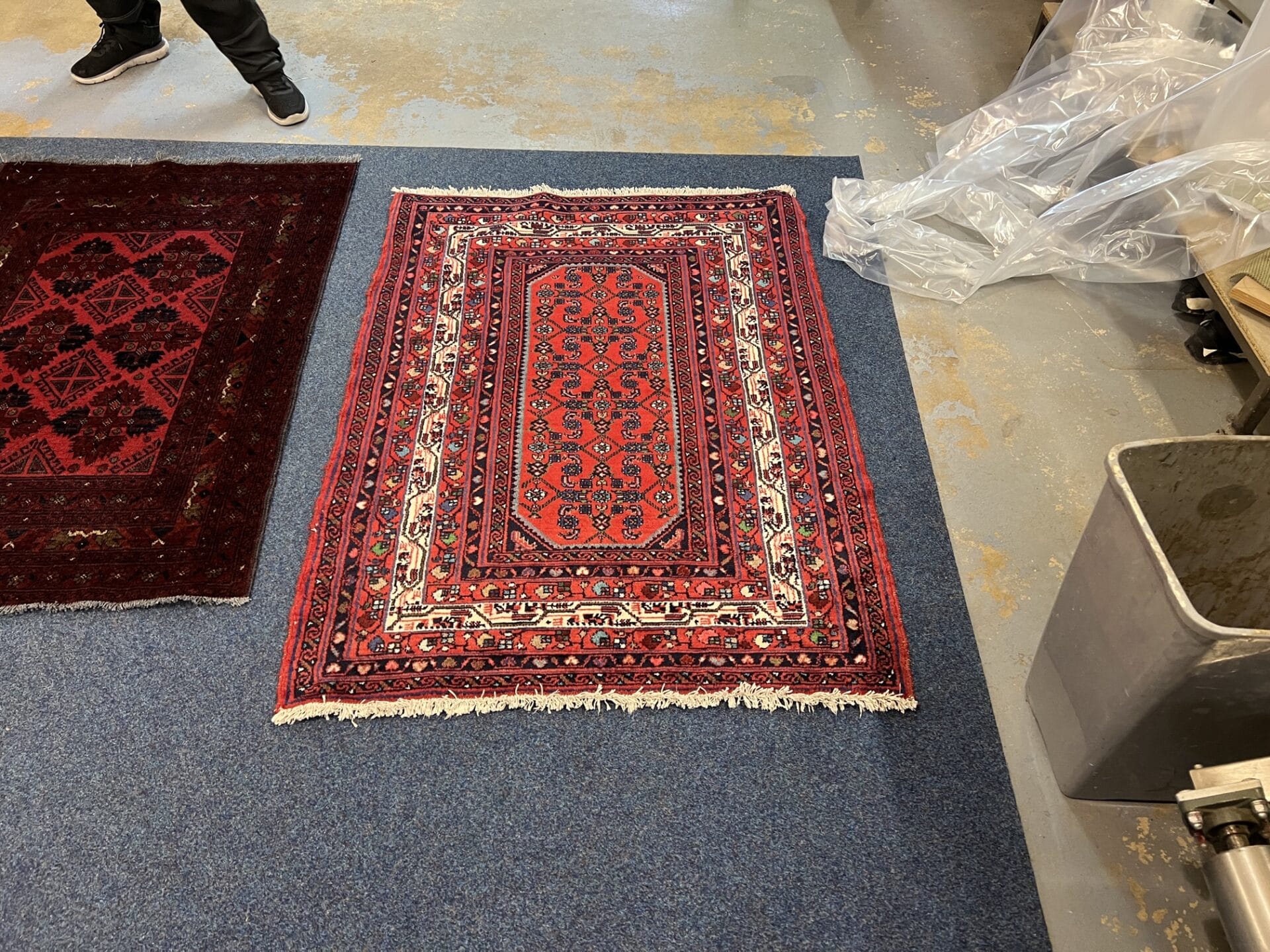
A fitted carpet is cleaned in place, with a process designed to minimise moisture and speed up drying. A rug is different. It has a foundation, edges, fringes, and often multiple fibre types in one piece. Some are handmade, some are tufted, some have latex backing, some use natural dyes, and many do not behave well if rushed.
A rug clean is closer to specialist textile care than a quick “surface refresh”.
Standards bodies describe professional textile floor covering care in a way that reflects this kind of structured, controlled approach (inspection, methods, systems), rather than “one method fits all”.
Step one takes time: inspection and fibre testing.
Before anything gets properly wet, a good rug cleaner will always inspect and test. This is where a great deal of delays can start, because the right method depends on what the rug can safely handle.
Things that often need checking:
- fibre type (wool, cotton, silk, viscose, synthetics)
- dye stability and colour run risk
- pre-existing wear, loose edges, fringe condition
- pet odour issues or contamination
- stain types (tannin, dye, grease, rust)
If a rug has unstable dyes, it may need a slower process to prevent colour bleeding. (This is especially common in some handmade or naturally dyed rugs.)
The part most people never see: deep dust and dry soil removal.
One of the biggest reasons off-site rug cleaning exists is simple, and a bit unglamorous: dry soil.
Rugs act like filters. Dust, grit, and fine particles settle deep into the pile and foundation. If you wet-clean a rug without removing the dry soil first, you can end up making a muddy paste inside the rug, which dulls the look and can shorten its life.
Many professional rug cleaning facilities start with dedicated dusting or dry soil removal because it can remove a large amount of embedded grit before washing.
This step is often where the “real difference” happens, and it cannot be rushed.
Washing properly means choosing the safest method for that rug.
Once the rug is assessed and dusted, it can be washed using the method that fits its construction and fibres.
Depending on the rug, that might include:
- controlled pre-treatment for specific staining
- full wash (sometimes immersion-style for suitable rugs)
- Carefully rinse so residues are not left behind
- odour treatments where needed (especially pet accidents)
- attention to fringes and edges (which can behave differently to the main pile)
For wool rugs in particular, guidance from wool care organisations commonly focuses on the importance of correct, fibre-safe cleaning and ongoing care.
The more delicate the rug, the more the process slows down to protect it.
Drying is usually the biggest time factor (and the biggest risk if rushed)
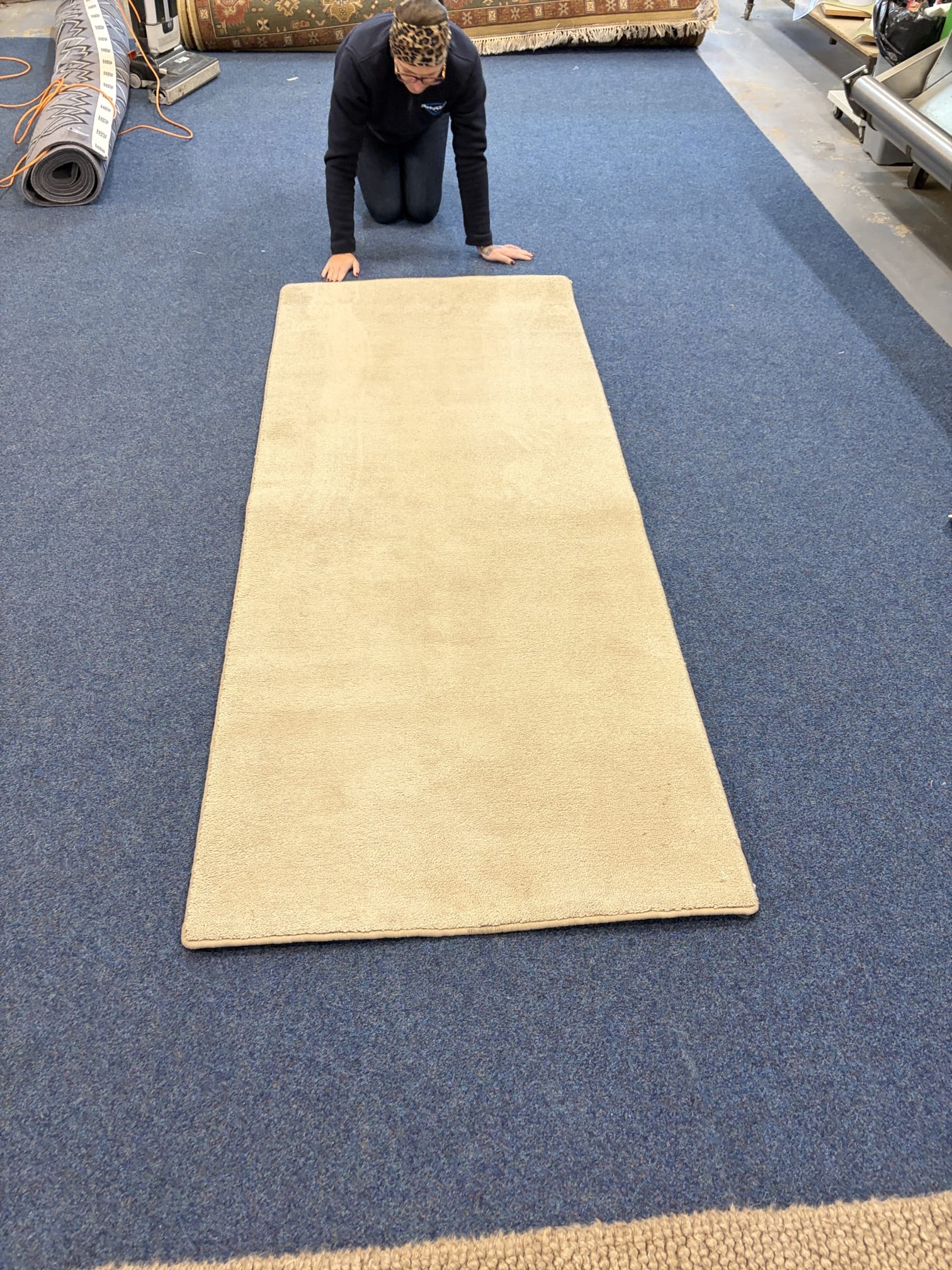
People often assume the wash is the main event, but the wash is only half the story. Drying a rug properly matters because rugs can hold a surprising amount of moisture in the foundation and pile.
A safe drying phase is about:
- removing as much water as possible after washing
- drying evenly (not just the top surface)
- controlling airflow and humidity
- preventing shrinkage, rippling, or stiffening
- reducing the risk of odours returning
If a rug is returned even slightly damp, you risk musty smells, texture changes, or worse.
This is why some rug cleaners will quote quite long timelines. They are protecting the result by building in controlled drying and re-checking, rather than rushing a damp rug back into a home.
Finishing matters: grooming, fringe work, and final checks
After drying, many rugs still need “finishing” work. This is the part that makes the rug look right when it comes back.
Finishing can include:
- pile setting or grooming so it sits evenly
- fringe cleaning and careful drying (fringes can yellow or wick moisture)
- Re-checking for remaining spots that need a second treatment
- making sure the backing sits flat and stable
- Confirming the rug is fully dry before return.
A careful finish is part of why a professionally cleaned rug looks calmer and more even, not just “cleaner”.
Collection and return are part of the timeline (and it has to be planned)
Even if the cleaning itself takes a set number of days, collection and delivery are still real-world logistics. Rugs need:
- safe handling in transport
- correct labelling and tracking
- scheduling that matches routes and workload
- a return slot that suits you and protects the rug (dry, wrapped, handled properly)
In busy periods (spring refresh, end of tenancy season, pre-Christmas), this can add a few days.
A longer turnaround often reflects careful scheduling, not a lack of urgency.
Reasons your rug might take longer than average
Some rugs just need more time. Common reasons include:
1) Dye bleed risk or colour instability
If testing suggests the dyes are likely to run, the process needs to be controlled and slower than normal.
2) Pet odours or contamination
Odour work often needs some extra steps, and sometimes repeat treatments, because it is not always solved in one pass.
3) Very heavy soil load
If a rug has years of embedded grit, the pre-clean and wash can take longer, and the rinse phase may need extra attention.
4) Thick pile or dense foundation
Heavier rugs can take longer to dry fully (especially through the foundation, not just on top).
5) Repairs or edge issues spotted during inspection
Sometimes a cleaner will stop and let you know if they’ve found any loose bindings, fringe damage, or wear that could get worse if it isn’t handled in the right way.
What to ask your rug cleaner (so you feel clearer and in control)
If you want a timeline that feels more predictable, these questions usually get you the best answer:
- Is my rug being cleaned off-site or in the home?
- Will you do fibre and dye testing first?
- What’s your drying process, and how do you confirm it’s fully dry?
- If a stain doesn’t lift fully, do you re-treat it or return it as-is?
- How will collection and return be scheduled (and will you confirm a day)?
Standards and trade bodies exist partly to encourage professionalism and correct process, so it is reasonable to ask how a provider works and what procedures they follow.
FAQs
How long does professional rug cleaning usually take?
It really does depend on the rug and the method. Some providers quote around 1 to 2 weeks, while others quote longer for controlled drying, finishing, and re-checking, especially for delicate rugs.
Can you clean my rug faster if I need it back for guests?
Sometimes, but it depends on what kind of rug it is and how safely it can be dried. If a rug needs slower drying to protect it, speeding it up can increase risk (odours returning, texture change, colour run). It is always worth asking, but the answer should be honest.
Why not just clean the rug in my home?
In-home cleaning can work for some rugs, but off-site cleaning is often chosen because it allows for a deeper soil removal, fuller washing and rinsing, and controlled drying.
Is wool rug cleaning different?
Often, yes. Wool benefits from correct, fibre-safe cleaning and good maintenance habits, and it can hold moisture differently from some synthetics. Following reputable wool care guidance helps protect the rug long-term.
What’s the risk if a rug is returned damp?
A rug that stays damp can develop musty odours and, in worst cases, mould risk. That is why controlled drying and final checks matter so much.
One last helpful note
If your rug is taking longer than you expected, it is usually because the cleaner is building in the steps that protect the rug and the result. Done properly, rug cleaning is careful work, not quick work.
If you want, we can talk you through what affects the timeline for your specific rug (size, fibre, odour work, and drying time), so you know what to expect before it goes away.