
Soot on a carpet can look like an ordinary dark mark, but it behaves very differently from mud, food or most household spills. The safest first move is usually to keep liquid away from it, remove loose soot dry and avoid rubbing the particles further into the carpet.
That matters because soot is extremely fine. Once it gets into the fibres, scrubbing or reaching straight for a wet cloth can turn a small dusty patch into a much larger grey or black smear.
Whether the mark comes from an open fire, log burner, fireplace, candle, or chimney, a little patience at the start can make a real difference.
Why soot marks spread so easily
Soot is made up of very fine particles produced when something burns.
Those particles can sit on the carpet surface and work their way between the fibres. Walking over the area, brushing it with your hand or rubbing it with a cloth can push the soot further in.
This is why a fireplace mark that initially looks quite contained can suddenly seem much worse once someone starts trying to clean it.
The other common mistake is adding moisture too quickly.
Water or a household cleaning spray can combine with loose soot and carry it further across the fibres. Instead of lifting a dusty deposit, you can end up dealing with a darker smear.
With soot, dry removal comes first.
The National Carpet Cleaners Association guidance on fire and smoke damage also explains why dry soot removal should take place before wet cleaning, particularly where smoke or fire damage is more extensive.
What should you do when soot lands on the carpet?
If the soot is loose and the affected area is small, resist the urge to start scrubbing.
First, keep people and pets away from the mark if possible. Foot traffic can spread fine particles surprisingly quickly.
Avoid rubbing, brushing or wiping the soot across the carpet.
You can sometimes lift loose surface soot carefully with controlled vacuuming. The aim is to remove what is sitting loose on the carpet rather than dragging a vacuum head backwards and forwards through the mark.
If you are unsure about the carpet fibre, the size of the affected area, or where the soot came from, stop before applying a cleaning product.
That small pause is often safer than experimenting.
You can also read more practical carpet-care advice in our Careclean Knowledge Centre, where we cover common stains and the first steps that can help prevent a small mark becoming a larger problem.
Why adding water too soon can make things worse
Most of us have been taught to deal with a mark by grabbing a damp cloth.
Soot is one of those occasions where that instinct can work against you.
Loose soot sitting near the surface can mix with moisture and move sideways through the carpet. Rubbing at the same time may push those particles deeper into the pile.
If a soot mark starts turning into a grey or black smear, stop adding moisture.
Adding more cleaner is unlikely to make things easier at that stage.
The correct treatment depends on the carpet, the amount of soot present and whether the contamination has come from an everyday fireplace incident or something more substantial.
A small hearth mark and widespread smoke contamination are very different problems.
If you have dealt with other carpet stains before, this is also why familiar methods do not always transfer from one type of mark to another.
For example, our guide to why carpet stains can keep coming back explains how moisture and material from deeper in a carpet can move back towards the surface during drying.
Fireplace soot is not always confined to one obvious mark.
A small black patch beside the fireplace is easy to notice.
Fine soot elsewhere in the room can be less obvious.
Particles can settle beyond the immediate hearth area, especially after a chimney problem, a smoky fire, or another incident that has put more soot into the air.
If you have noticed several dark areas, a lingering smoke smell or deposits on nearby furnishings, it is worth looking at the room as a whole rather than treating one visible carpet mark in isolation.
Smoke-related residues can affect carpets, upholstery and other absorbent surfaces.
At that point, the problem may be beyond ordinary spot cleaning.
What if the soot has already been rubbed in?
Do not assume the carpet is ruined.
It does mean that the next stage needs more care.
Stop rubbing the area and avoid trying one household product after another.
Repeated treatments can change the mark, spread it further or leave residues behind.
Instead, take a clear photograph of the affected area and make a note of anything that has already been used on it.
That information can be useful if you need professional advice.
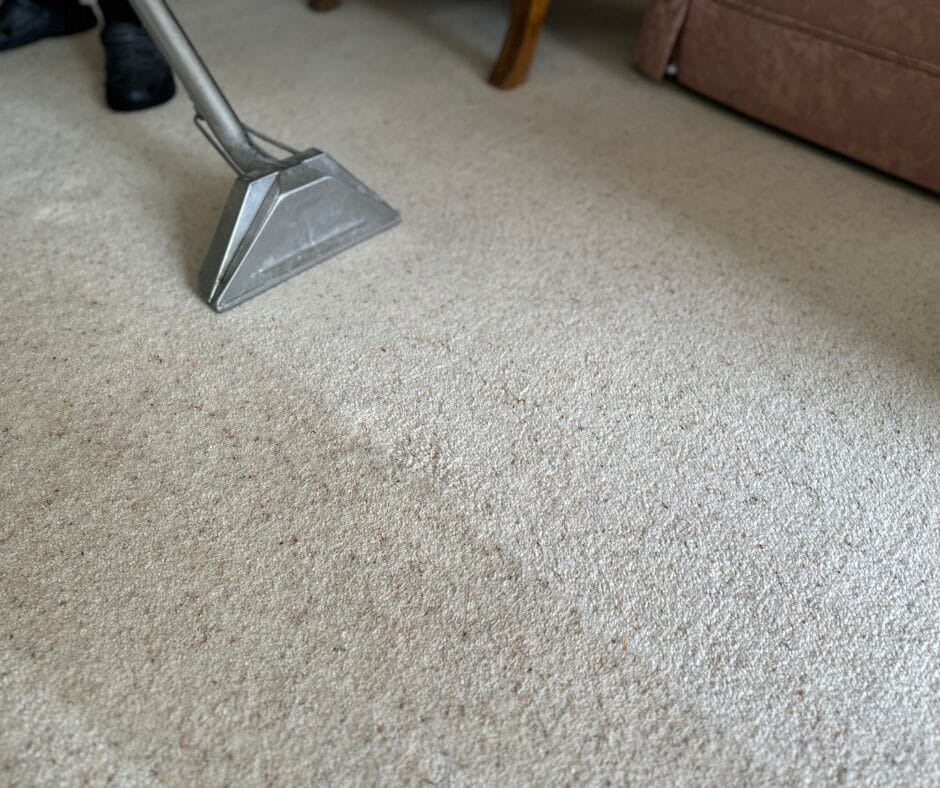
If the mark is becoming harder to manage, Careclean’s professional carpet cleaning service in Essex includes an assessment of the carpet and the type of treatment it may need.
When should you stop and call a professional?
There is no need to panic over every small fireplace mark.
There are, however, times when continuing to experiment at home can create more work.
Professional advice is sensible when the soot has already smeared, covers a larger area, has worked deeply into the pile or is linked to more significant smoke or fire damage.
It is also worth asking for help if the carpet is particularly valuable, delicate or made from a fibre you are unsure about.
A proper assessment should also set realistic expectations.
Some soot deposits can respond very well to professional treatment. In other cases, there may be staining, heat damage or changes to the carpet that cleaning cannot completely reverse.
The important thing is knowing that before stronger treatment begins.
If you are deciding whether to bring someone in, you can also read what Careclean clients say about our work to get a feel for how we work in people’s homes.
Can soot stain carpet permanently?
It can.
The final result depends on the type of soot, how long it has been present, the carpet fibre, any previous treatment and whether heat or other fire-related damage is involved.
That is why clear expectations matter more than promising that every black mark will disappear completely.
A light surface deposit may clean very differently from contamination that has been walked into the carpet, wetted or left in place for some time.
Professional cleaning can often improve soot contamination considerably, but an honest assessment should come before any promise about the finished result.
What about soot on rugs or upholstery?
The same caution around rubbing and premature wetting applies, but the correct cleaning method can vary considerably between materials.
A rug may have different fibres, dyes and construction from a fitted carpet. Upholstery introduces another set of fabrics, fillings and colour-fastness considerations.
If soot has affected more than the carpet, treating every surface with the same household cleaner is unlikely to be a good approach.
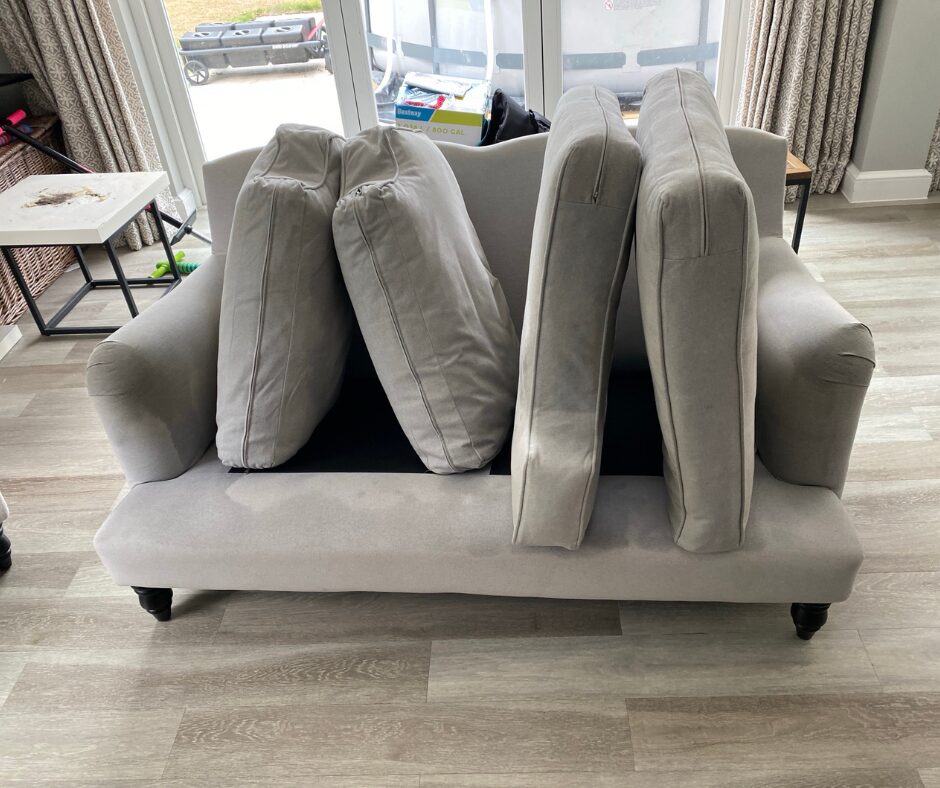
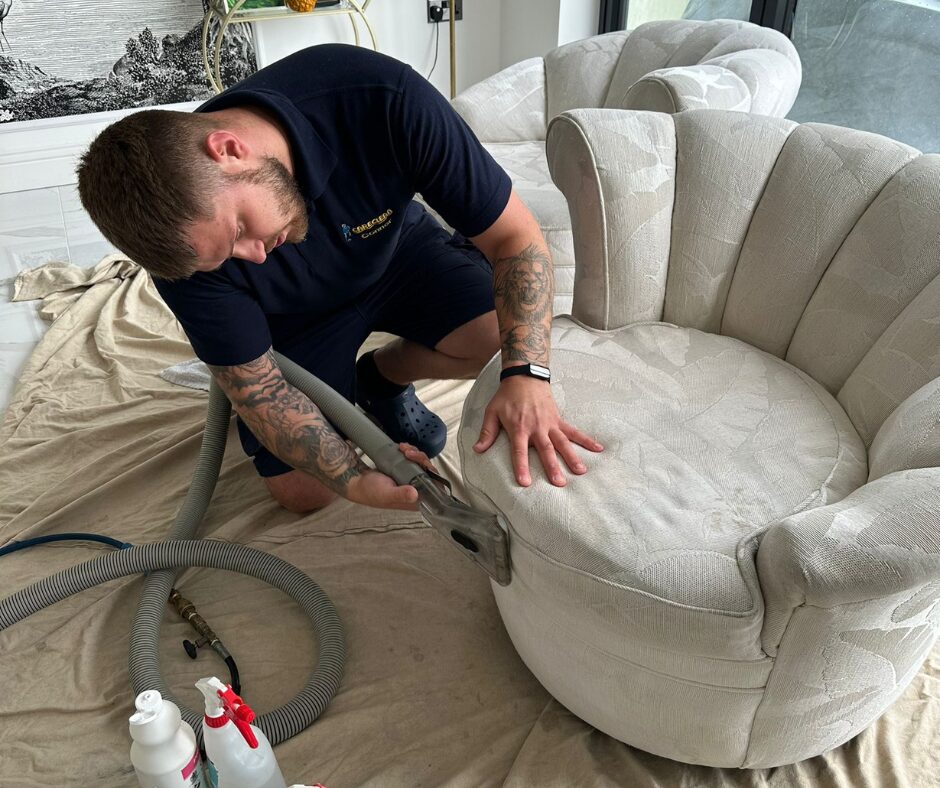
Careclean also provides professional rug cleaning and upholstery cleaning where specialist treatment is appropriate.
The simple thing to remember
If soot lands on your carpet, do less at the beginning rather than more.
Keep people away from the affected patch, avoid rubbing it and deal with loose soot before thinking about wet treatment.
If the mark has already smeared, spread beyond a small area or followed a more serious smoke incident, getting advice before continuing can save a lot of frustration.
If you are in Essex and unsure what to do next, you can contact Careclean and talk through the problem first. A clear photo of the affected area can also help us understand what you are dealing with.
Frequently asked questions
Can I wipe soot off carpet with a wet cloth?
It is better not to start with a wet cloth. Moisture can mix with loose soot and spread the dark particles through the carpet fibres. Dry removal should normally come first.
Should I scrub a soot mark?
No. Scrubbing can push soot further into the carpet and spread the affected area. Keep rubbing and brushing to a minimum.
Can I vacuum soot from a carpet?
You may be able to remove loose surface soot carefully with controlled vacuuming. Avoid repeatedly dragging the vacuum head across the affected patch, particularly if the soot is already being worked into the pile.
Why has the soot turned into a black smear?
This can happen when fine soot particles mix with moisture or get rubbed through the carpet. Stop adding products and avoid further rubbing until you know the safest next step.
Can professional carpet cleaning remove soot?
It may be possible to remove or significantly improve soot marks, but the result depends on the carpet, the soot and what has already happened to the area. An assessment is the safest way to set realistic expectations.